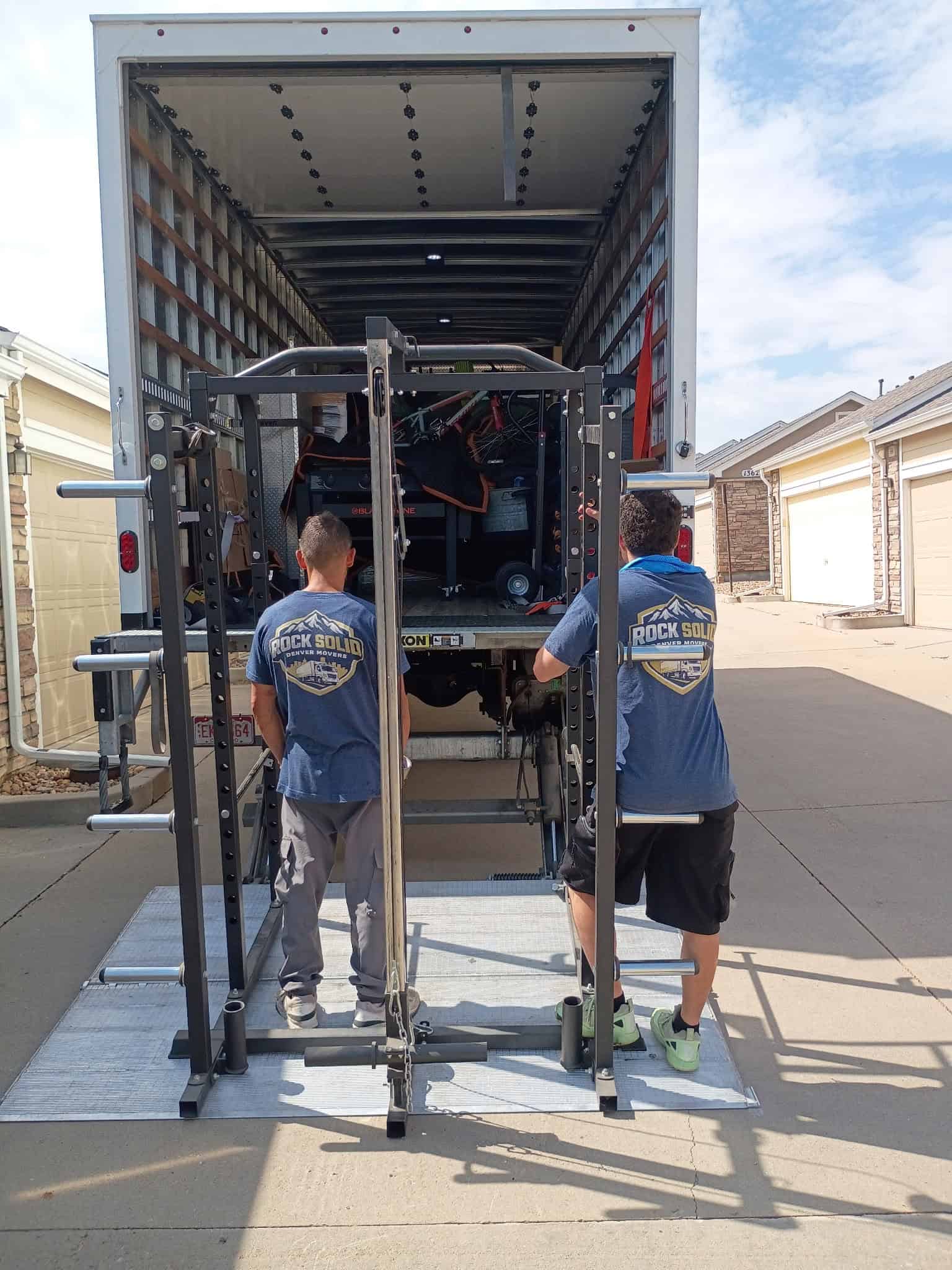

Moving a pool table isn’t like moving a regular piece of furniture. It’s a specialized task that requires precision, proper tools, and experienced hands. Many homeowners and businesses often ask, “how much do pool table movers cost?” The answer isn’t a simple fixed price; it hinges on several critical factors, each adding a layer of complexity—and therefore cost—to the process. Understanding these elements will help you prepare for the investment and ensure your valuable pool table is handled correctly.
From the moment professional pool table movers assess your situation, they’re evaluating aspects that directly influence the final pool table moving price. It’s not just about getting it from point A to point B; it’s about disassembly, careful transport, and meticulous reassembly and leveling to maintain playability. Let’s break down the key factors that contribute to the overall cost of moving a pool table.
💡 Key Takeaway: The cost of moving a pool table is highly variable, depending on specialized requirements like disassembly, transport logistics, and precise reassembly and leveling.
Decoding Pool Table Moving Costs: What to Expect
The Foundation: Slate vs. Non-Slate Tables
The core material of your pool table’s playing surface is arguably the most significant cost determinant. There are two primary types: slate and non-slate (often made of wood, particle board, or synthetic materials). Slate tables are the industry standard for quality play and are considerably heavier and more delicate. They typically comprise multiple heavy slate pieces, sometimes weighing upwards of 500 to 2,500 pounds in total, requiring specialized handling to prevent damage.
- Slate Tables: These are professional-grade and require complete disassembly. Each heavy slate piece must be carefully removed, crated, and transported to avoid cracks or damage. This process is time-consuming and labor-intensive, directly impacting the pool table movers cost.
- Non-Slate Tables: Often lighter and sometimes movable without full disassembly, these tables are generally less expensive to relocate. However, even with non-slate tables, professional handling is recommended to prevent structural damage.
The Challenge of Ascent: Stairs and Accessibility
Navigating stairs or tight spaces significantly impacts the moving price. A single flight of stairs can add considerable effort and risk, often incurring an additional charge. Multi-story homes, basements, or challenging access points like narrow doorways, winding hallways, or steep outdoor inclines increase the complexity of the move.
Movers factor in the extra time, specialized equipment (like dollies, ramps, or hoisting gear), and increased labor required to safely maneuver heavy pool table components through difficult paths. Always provide accurate details about the access points at both the pickup and delivery locations when requesting a quote.
💡 Key Takeaway: Stairs and difficult access points are common cost add-ons due to the increased labor, time, and specialized equipment needed to safely move heavy pool table components.
The Number of Slate Pieces
Most professional-grade pool tables use either one or three pieces of slate for the playing surface. While a single-piece slate table avoids the complexities of aligning multiple sections, it is often much heavier and more cumbersome to move in one unit. Three-piece slate tables, while requiring more careful disassembly and reassembly, allow for easier handling of individual, lighter sections.
The number of slate pieces dictates the complexity of the disassembly and reassembly process, affecting the time and skill required. Each piece needs careful inspection, protective wrapping, and precise alignment during reassembly to ensure a perfectly level playing surface.
Beyond the Move: Re-felting and Leveling Services
Often, a pool table move presents an opportune moment for additional services like re-felting or re-cushioning. While not strictly part of the “moving” cost, these services are frequently bundled or requested concurrently, impacting the total pool table moving price. Re-felting involves replacing the cloth on the playing surface, which can be a significant enhancement, especially if the existing felt is worn or you desire a new aesthetic.
Furthermore, precise leveling is absolutely critical for playability. Professional movers use specialized tools, such as a machinist’s level, to ensure the slate is perfectly flat across all dimensions and seams. This meticulous process prevents balls from drifting and ensures a fair game. If your table was moved previously without proper leveling or has settled over time, investing in this service during a move is highly recommended.
💡 Key Takeaway: Consider re-felting and professional leveling as value-added services when moving your pool table. Proper leveling is crucial for maintaining the table’s playability and investment.
Distance and Logistics
The distance your pool table needs to travel is a straightforward factor in the overall cost. Local moves within the same area will naturally incur a lower price than long-distance relocations. Beyond mileage, movers also consider the logistics of the journey, including potential tolls, fuel costs, and the time spent on the road. For particularly long distances, the cost will reflect the increased resources and planning required.
It’s also worth noting that the timing of your move can influence the cost. Peak moving seasons or urgent requests may come with a higher price tag compared to scheduling during off-peak times with more flexibility.
Summary of Pool Table Moving Cost Factors
| Factor | Impact on Cost |
|---|---|
| Table Type (Slate vs. Non-Slate) | Slate tables are heavier and require more labor for disassembly and transport. |
| Number of Slate Pieces | More pieces mean more complex disassembly and reassembly. |
| Stairs & Access | Increases labor, time, and risk; often incurs additional charges per flight. |
| Distance of Move | Longer distances mean higher fuel and labor costs. |
| Additional Services (Re-felting, Leveling) | Optional services that add to the total but enhance table quality. |
💡 Key Takeaway: A detailed quote should break down costs by table type, access challenges, and any requested additional services. Always provide thorough information to your movers for an accurate estimate.
Conclusion
The cost to move a pool table is a multifaceted calculation, driven by the table’s construction, the complexity of the move, and any additional services you choose. While it might be tempting to attempt a DIY move to save money, the specialized knowledge, tools, and sheer physical effort required make professional pool table moving a worthwhile investment. Protecting your table from damage and ensuring its long-term playability relies heavily on expert handling from start to finish. By understanding these key factors, you can make an informed decision and prepare for a smooth relocation of your cherished pool table.
Have questions about how the pool table moving price is determined? Reach out to our team today.
Frequently Asked Questions About Pool Table Moving
Is it possible to move a pool table without disassembling it?
For most slate pool tables, complete disassembly is necessary for safe and damage-free relocation. Attempting to move a slate table in one piece can lead to severe structural damage to the table itself, as well as potential injury to those attempting the move. Smaller, non-slate tables might sometimes be moved in one piece if access is extremely clear and the distance is minimal, but it’s generally not recommended.
How long does it take to move a pool table?
The duration varies significantly based on the factors discussed. Disassembly, transport, and reassembly for a standard three-piece slate table can take anywhere from 2 to 6 hours, sometimes longer for complex situations involving many stairs, long travel distances, or additional services like re-felting.
Do I need to hire specialized pool table movers, or can any moving company do it?
It is highly recommended to hire movers who specialize in pool table relocation. They possess the specific tools, expertise, and experience required for proper disassembly, safe transport of heavy and delicate components (especially slate), and precise reassembly and leveling. General movers may not have the specialized knowledge, which can result in damage to your table or an improperly leveled playing surface.
What should I do to prepare my pool table for movers?
Clear the area around the pool table at both the pickup and delivery locations. Remove any pool cues, racks, balls, or accessories from the table and its immediate vicinity. Inform your movers of any specific concerns or unique aspects of your table or property access beforehand.