
One of the most common questions when planning a relocation is, “how many movers do I need?” While it might seem like a simple answer based on the size of your home, determining the ideal “moving crew size” involves more than just counting bedrooms. The right number of movers can significantly impact the efficiency, safety, and even the overall cost of your move.
Undermanning a move can lead to longer hours, potential damage, and worker fatigue, while overmanning can result in unnecessary expense. This guide will help you understand the factors that influence the “number of movers” required, from home size and access challenges to specialty items, so you can make an informed decision and perhaps even see how it works to get your free estimate.
💡 Key Takeaway: The ideal moving crew size depends on more than just home size; factors like access, specialty items, and overall job complexity play a crucial role in efficiency and cost.
Factors Influencing Your Moving Crew Size
1. Home Size as a Starting Point
The number of bedrooms in your home is a good initial gauge for “how many movers do I need,” but it’s just that—a starting point. A fully furnished small apartment might require more hands than a sparsely packed larger one.
- Studio or 1-Bedroom Apartment: Typically, a 2-person crew is sufficient for most studio or light 1-bedroom apartment moves. This team can efficiently handle boxes and standard furniture, usually completing the job in 2-4 hours. For a heavily furnished 1-bedroom, 3 movers might be a better fit to cut down on time.
- 2-3 Bedroom Home: For a 2-3 bedroom residence, a 3-person moving crew is generally recommended. This allows for a good flow: two movers can handle furniture and heavier items, while the third can manage boxes and assist as needed, reducing the overall time to 3-5 hours for a 2-bedroom, or 4-7 hours for a 3-bedroom.
- 4+ Bedroom Home or Larger: For larger homes with 4 or more bedrooms, or significantly sized offices, a 4-person (or even larger) crew is often the most efficient choice. This ensures adequate manpower for heavy pieces and allows for multiple tasks to occur simultaneously, shortening the total job duration.
2. Access Challenges and Specialty Items
Beyond square footage, the physical conditions of your move and the nature of your belongings heavily impact the ideal “moving crew size.”
- Stairs and Elevators: Moving up or down multiple flights of stairs (especially without an elevator) adds considerable time, physical strain, and complexity. For every flight of stairs or challenging elevator access, consider adding one more mover than you initially thought necessary. Stairwells in older homes can be narrow, requiring more finesse and potentially more hands.
- Long Walks: If the moving truck cannot park close to your door, a long walking distance to and from the residence will increase the job time. More movers can help shuttle items faster, minimizing the impact of the long walk.
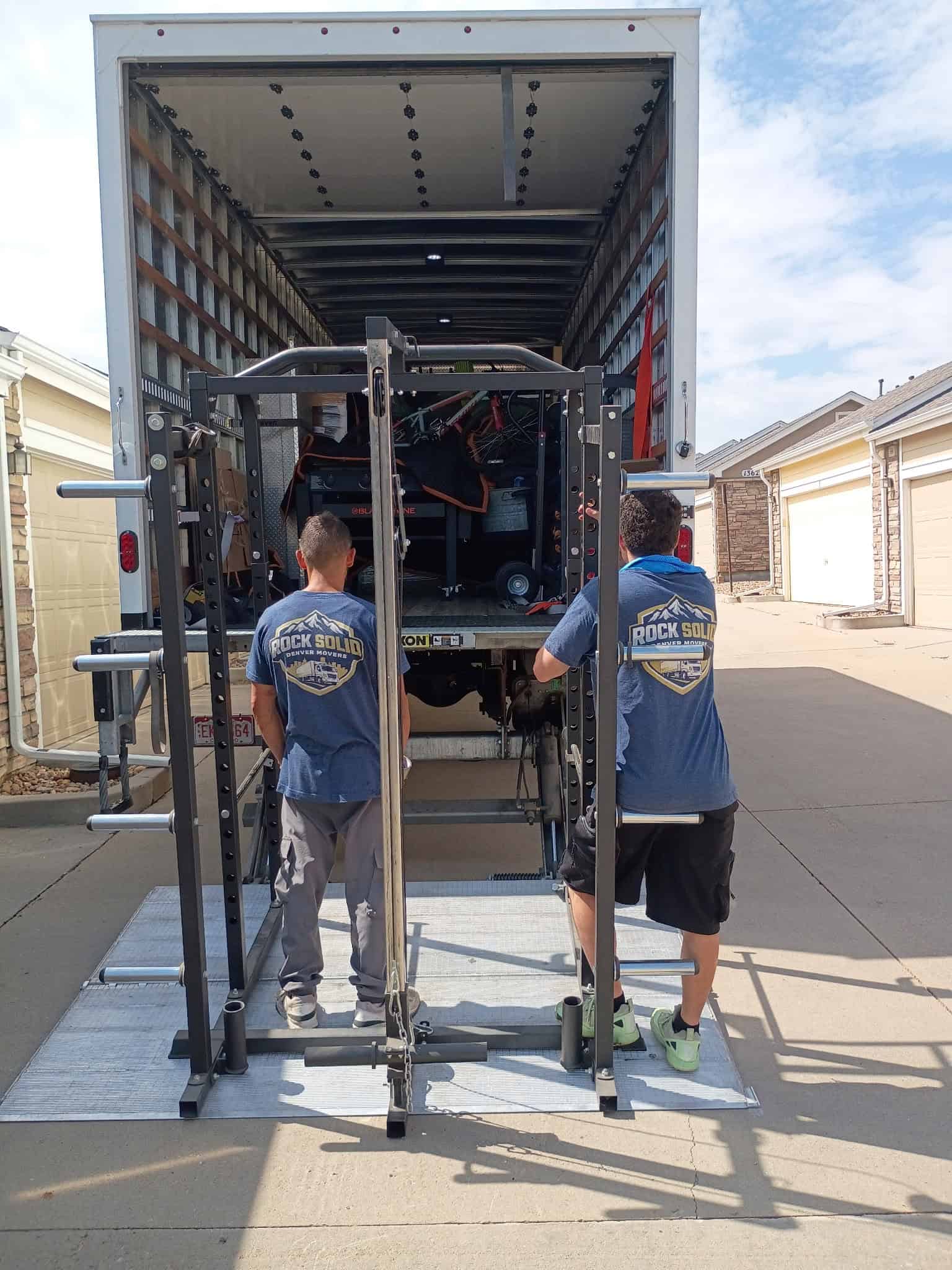
- Heavy or Awkward Items: Specialty items like grand pianos, gun safes, large appliances, oversized furniture (e.g., sectionals that don’t disassemble), or heavy exercise equipment often require extra personnel. These items demand multiple strong individuals for safe and efficient handling.
- Disassembly/Reassembly: If your move involves significant disassembly (bed frames, large tables, wall-mounted TVs) and reassembly, a larger crew can dedicate one or two members to these tasks while others continue moving items.
💡 Key Takeaway: Home size offers a baseline for “how many movers do I need,” but access challenges (stairs, long walks) and specialty items (heavy furniture, appliances) significantly increase the required “number of movers.”
Optimizing Crew Size for Cost and Efficiency
3. Why a Larger Crew Can Sometimes Cost Less Overall
While paying for more movers per hour might seem more expensive initially, a larger “moving crew size” often translates to a shorter overall job time, potentially reducing your total bill.
- Increased Efficiency: More hands mean items can be moved simultaneously, reducing bottlenecks and idle time. One team can load the truck while another is packing up the last-minute items or disassembling furniture.
- Faster Completion: A faster move means fewer hours billed. For hourly rates, a 3-person crew might complete a 4-hour job in 3 hours, compared to a 2-person crew taking 5-6 hours. The total labor cost could be similar or even less with the larger, more efficient team.
- Reduced Fatigue: Moving is physically demanding. A larger crew can rotate tasks and share the workload, reducing fatigue and maintaining efficiency throughout the day. This also lowers the risk of accidents or damage that can occur when movers are tired.
- Specialized Tasks: With more people, specialized tasks like packing delicate items, disassembling furniture, or navigating complex pathways can be handled concurrently, leading to a smoother, quicker relocation.
4. When a Two-Person Crew is Enough
While larger crews often prove more efficient, there are certainly scenarios where a two-person team is perfectly adequate and cost-effective.
- Studio or Small 1-Bedroom Apartment: For these smaller spaces with a moderate amount of belongings and no exceptionally heavy items, two experienced movers can manage the job efficiently.
- Minimal Furniture: If you’re moving primarily boxes and light furniture (e.g., moving out of a dorm room or a partially furnished rental), a two-person crew is often sufficient.
- Good Access: Moves involving ground-floor residences, readily available elevators, or short distances to the truck will be smoother with a smaller crew.
- Loading/Unloading Only: If you’ve already transported most of your items and only need help loading or unloading a moving truck or storage unit, two movers can typically handle this task.
Recommended Moving Crew Size Guide
| Home Size | Base Crew Size | Add Movers For… |
|---|---|---|
| Studio/Small 1 BR | 2 Movers | Heavy items, multiple flights of stairs, long walks to truck |
| 1-2 Bedroom Home | 2-3 Movers | Large sectionals, gun safes, appliances, poor access, full packing service |
| 3-4 Bedroom Home | 3-4 Movers | Pianos, antique furniture, multiple heavy items, complex disassembly |
| 5+ Bedroom Home / Large Office | 4+ Movers (potentially two crews) | Any specialty item, very high volume of belongings, multiple destinations |
💡 Key Takeaway: A larger moving crew can often lead to a quicker, more efficient move, potentially saving money on total hourly charges, reducing fatigue, and handling specialized tasks more effectively.
Conclusion
Deciding “how many movers do I need” for your house move is a crucial step in ensuring a smooth and successful relocation. While home size provides a good starting point, always consider other factors like challenging access, the presence of heavy or specialty items, and the scope of services required. Often, investing in a slightly larger “moving crew size” can lead to a more efficient, safer, and ultimately more cost-effective move by reducing the total hours billed. Consult with your chosen moving company; their expertise in assessing your specific needs will be invaluable in recommending the optimal “number of movers” for your unique situation.
Have questions about how to how many movers do i need? Reach out to our team today.
Frequently Asked Questions About Moving Crew Size
Will a 2-person crew take much longer than a 3-person crew?
For larger moves (2+ bedrooms) or moves with challenging access (stairs, long walks, heavy items), a 2-person crew can take significantly longer, potentially adding several hours to the job. For smaller moves (studio, light 1-bedroom) with good access, the time difference might be minimal, but a 3-person crew would still likely be faster.
Does adding more movers always make the move faster?
Generally, yes, up to a certain point. More movers typically lead to increased efficiency and a faster completion time. However, there can be diminishing returns if the space is too small to accommodate too many people working at once, or if there isn’t enough work to keep everyone busy. A good moving company will recommend the optimal crew size for your specific situation.
Should I tell my moving company about stairs or heavy items?
Absolutely! It is critical to inform your moving company about all relevant details, including the number of flights of stairs, the presence of elevators, long walking distances, and any unusually heavy or oversized items (pianos, gun safes, large appliances). This allows them to allocate the correct “number of movers” and bring appropriate equipment, ensuring a safe and efficient move and preventing surprises on moving day.
Can I help the movers to reduce the crew size or time?
While your enthusiasm is appreciated, most professional moving companies prefer that you let their trained crew handle all the heavy lifting and maneuvering for liability and efficiency reasons. You can best help by being fully packed, having clear pathways, and being available to answer questions or direct them to specific rooms. Discuss any desire to assist with your moving company beforehand.