
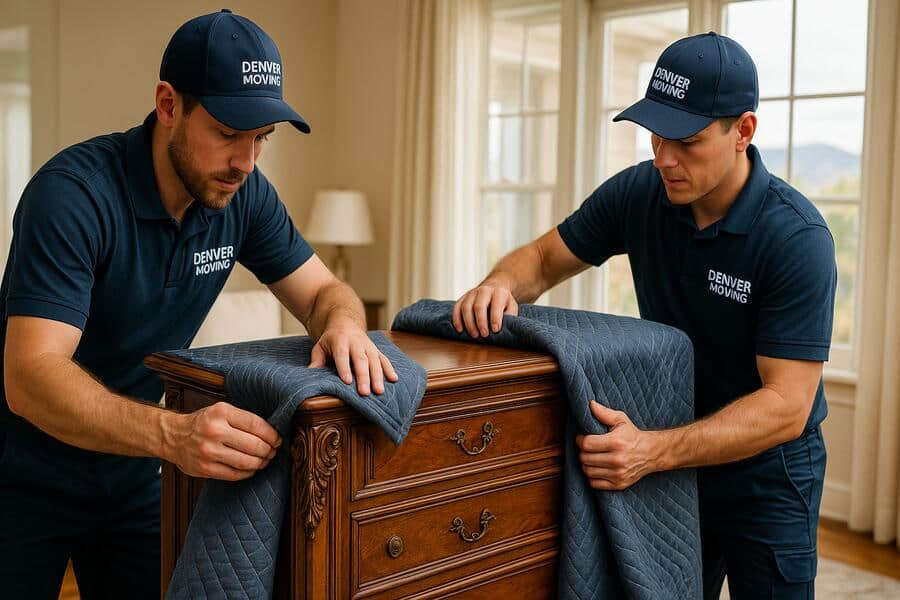
Antique furniture holds immense sentimental and monetary value, representing history, craftsmanship, and often, family legacies. The thought of “moving antique furniture” can be daunting, as these pieces are not only heavy and bulky but also inherently fragile due to their age and construction. Unlike modern furniture, antiques often have delicate joints, brittle finishes, and intricate details that require specialized care to prevent damage during relocation.
From proper handling techniques to custom wrapping and crating, protecting your cherished heirlooms demands an expert approach. This guide will walk you through the professional methods used by “antique movers” to ensure your valuable pieces arrive at their new home in pristine condition. For all your specialized moving needs, our team of furniture movers denver is equipped to handle even the most delicate items.
💡 Key Takeaway: Moving antique furniture requires specialized care due to its age, delicate construction, and value. Professional techniques in handling, wrapping, and crating are essential to prevent damage.
Expert Strategies for Protecting Antiques
1. Pre-Move Assessment and Planning
Before any item is touched, “moving fragile furniture” begins with a thorough assessment and meticulous planning.
- Detailed Condition Report: Examine each piece for existing damage such as loose joints, veneer lifting, cracks, or chips. Document everything with clear photos from multiple angles. This creates a baseline condition report and can be invaluable for insurance purposes.
- Structural Integrity Check: Gently test joints and connections. If any part feels wobbly or unstable, it may need to be professionally stabilized before the move. Do not lift an antique by a loose leg or handle.
- Disassembly Considerations: Determine if any parts can be safely disassembled (e.g., table legs, mirror frames). If so, carefully remove them, label all hardware, and wrap components individually. However, many antique pieces are not designed for disassembly and forcing them apart can cause irreversible damage.
- Route Planning: Map out the exact path the furniture will take from its current location to the moving truck, and then into the new home. Measure doorways, hallways, stairwells, and elevator openings. Identify any tight turns, uneven thresholds, or obstacles that need to be cleared.
2. Specialized Wrapping and Padding
Standard moving blankets and tape are often insufficient for “moving antique furniture.” Professionals use specific materials and techniques to create a secure, non-damaging cocoon.
- Non-Abrasive Materials First: Start by wrapping the antique in soft, acid-free tissue paper or unprinted newsprint. This provides a gentle barrier, especially for delicate finishes, and prevents scratches or residue transfer.
- Heavy-Duty Moving Blankets: Layer thick, padded moving blankets over the initial wrapping. These provide the primary cushioning against impacts and abrasions.
- Targeted Padding: Pay extra attention to vulnerable areas:
- Corners: Use cardboard corner protectors or extra layers of padding.
- Legs: Wrap legs individually, especially delicate or carved ones, then bundle them together.
- Carved Details/Protrusions: Cushion these areas generously with bunched-up padding to prevent snapping or chipping.
- Glass/Mirrors: For pieces with integrated glass, clean the glass, then apply painter’s tape in a star pattern across the surface to help hold pieces together if it shatters. Then, wrap with multiple layers of corrugated cardboard and moving blankets.
- Shrink Wrap (with caution): While shrink wrap can hold padding in place, it should NEVER be applied directly to antique wood or finishes, especially those with veneer, as it can trap moisture or pull off delicate surfaces. Instead, wrap the item thoroughly in blankets first, then use shrink wrap over the blankets to secure them.
💡 Key Takeaway: Before “moving antique furniture,” conduct a detailed condition report, check structural integrity, and plan the exact route. Wrap pieces in non-abrasive paper, then heavy moving blankets, focusing extra padding on corners, legs, and delicate details. Never shrink wrap directly on wood.
Advanced Protection and Handling
3. Custom Crating Options
For truly irreplaceable or exceptionally fragile antiques, custom crating offers the highest level of protection.
- Purpose-Built Crates: These are wooden crates constructed precisely to the dimensions of your antique. They provide a rigid outer shell that protects against crushing, punctures, and significant impacts.
- Internal Bracing and Cushioning: Inside the crate, the antique is carefully positioned and secured using custom-fit foam inserts, blocking, and bracing. This prevents any movement within the crate.
- Benefits: Crating is ideal for extremely fragile items (e.g., antique grandfather clocks, delicate statues, marble tabletops, ornate sideboards), long-distance moves, or items that will be part of a larger, mixed load where impacts are a higher risk.
- Considerations: Custom crating is the most expensive packing option, but for priceless items, it’s a necessary investment.
4. Climate Control and Handling Expertise
Antiques, particularly those made of wood, are sensitive to environmental changes. Professional “antique movers” also prioritize careful handling.
- Humidity and Temperature Sensitivity: Antique wood furniture can warp, crack, or suffer veneer damage from sudden or extreme fluctuations in temperature and humidity. Ideally, wooden antiques should be maintained within a relative humidity range of 45-55%. Discuss climate-controlled transport options with your movers, especially for long-distance moves or if crossing different climate zones.
- Proper Lifting Techniques: Never lift antique furniture by its most fragile points (e.g., tabletops, decorative elements, handles, unsupported legs). Always lift from the most stable, lowest load-bearing points, such as the base, main frame, or sturdy legs.
- Adequate Manpower: Never attempt to move heavy antique furniture with insufficient help. Professional “moving fragile furniture” crews are trained in team lifting techniques and use specialized equipment like furniture dollies, piano skids, or straps to move items safely without dragging or dropping.
- Slow and Steady: Antiques should always be moved slowly and deliberately. Rushing increases the risk of accidental bumps, scrapes, or drops.
Antique Furniture Moving Checklist
| Stage | Action Points |
|---|---|
| Pre-Move |
|
| Wrapping |
|
| Crating (Optional) |
|
| Handling |
|
| Transit |
|
💡 Key Takeaway: For ultimate protection, custom wooden crating with internal bracing is recommended for irreplaceable items. Antiques are sensitive to climate changes, so consider climate-controlled transport. Always lift from stable, low points with adequate manpower, moving slowly to prevent damage.
Conclusion
Relocating “moving antique furniture” is a task that demands respect, expertise, and precision. From the initial condition assessment to the final placement in your new home, every step must be executed with care to preserve these valuable pieces. While the prospect of “moving fragile furniture” might seem daunting, professional “antique movers” employ specialized wrapping, padding, crating, and handling techniques that guarantee the safest possible journey for your cherished items. Investing in expert services not only protects your antiques but also provides invaluable peace of mind during a potentially stressful time.
Have questions about how to moving antique furniture? Reach out to our team today.
Frequently Asked Questions About Moving Antique Furniture
Can I move antique furniture myself to save money?
While possible for smaller, less valuable pieces, moving significant antique furniture yourself is highly risky. The potential for irreversible damage due to improper handling, wrapping, or lack of appropriate equipment often far outweighs any cost savings. For valuable or large antiques, professional movers specializing in such items are highly recommended.
What kind of insurance should I get for moving antiques?
Basic moving insurance (valuation) often offers minimal coverage based on weight. For antiques, you should discuss full-value protection with your mover. This means the mover is liable for the full replacement cost of any lost or damaged items, or the cost of repairs, up to a declared value. It’s also wise to check if your homeowner’s insurance policy covers items in transit.
How do movers secure antique furniture in the truck?
Professionals use a combination of techniques: carefully placing items to distribute weight evenly, utilizing specialized furniture dollies or skids, padding all surfaces that might rub, and securing items to the truck’s walls with heavy-duty moving straps or ropes. The goal is to create a tight, stable load where nothing can shift or tip during transit.
Should I clean or polish antique furniture before moving?
It’s generally best to do a light dusting to remove surface dirt, but avoid applying polishes or cleaners right before a move. Some chemicals can interact negatively with wrapping materials or make surfaces slippery. A thorough cleaning and polishing are best done once the antique is safely in its new, permanent location, using products appropriate for its specific finish.

