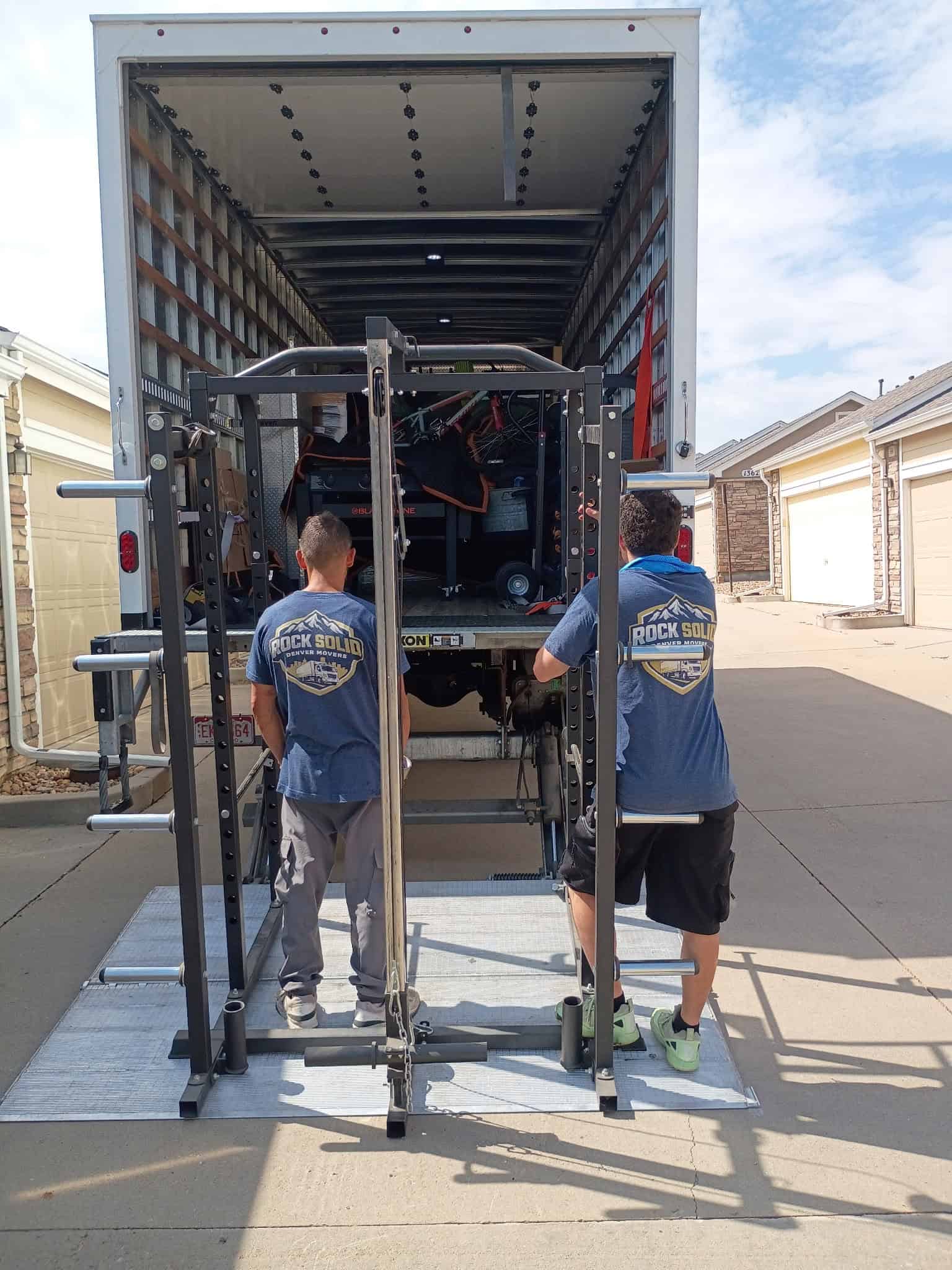

One of the most common questions homeowners face when planning a move is, “what size moving truck does a family home need?” Getting this wrong can lead to serious headaches—either a truck too small, requiring multiple trips or leaving items behind, or a truck too large, resulting in wasted money and challenging driving. The optimal “moving truck size for house” isn’t solely dependent on the number of bedrooms; it’s a careful calculation based on your actual belongings.
From bulky furniture to countless boxes, understanding how to accurately estimate your household’s “cubic feet moving” volume is key. This guide will walk you through the factors that influence truck size, why opting for one larger truck is often better than multiple smaller trips, and how professional movers strategically load for maximum density and safety. For seamless home moving services, understanding your truck needs is the first step.
💡 Key Takeaway: Determining the right “moving truck size for house” is crucial to avoid multiple trips or wasted money. It depends more on the actual volume of your belongings (furniture and boxes) than just the number of bedrooms.
Accurately Estimating Your Moving Volume
1. Inventory Your Home: Beyond Just Bedrooms
While the number of bedrooms provides a rough estimate, a detailed inventory is the most accurate way to determine the ideal “truck size for moving.”
- Walk-Through and List: Go room by room and make a comprehensive list of all large furniture pieces: sofas, beds (disassembled), dressers, dining tables, appliances (refrigerator, washer, dryer), entertainment centers, and outdoor furniture. Note down their general dimensions.
- Count Your Boxes: Estimate the number of boxes you’ll have. A good rule of thumb is:
- Small Boxes (1.5 cubic feet): Best for heavy items like books, dishes, tools.
- Medium Boxes (3 cubic feet): For kitchenware, decor, pantry items.
- Large Boxes (4.5 cubic feet): For lighter, bulkier items like linens, towels, lampshades.
- Miscellaneous Bulky Items: Don’t forget items like bicycles, lawnmowers, grills, sports equipment, large plants, or anything else that doesn’t fit neatly into a box or standard furniture category.
- Storage and Garage Contents: These areas often hold a surprising amount of bulk. Account for everything from holiday decorations to garden tools and workshop equipment.
2. Converting Inventory to Cubic Feet
Once you have your inventory, you can start converting it into a “cubic feet moving” estimate. This is how professional movers size their trucks and crews.
- General Guidelines per Room: As a rough starting point, allow approximately 150 to 200 cubic feet of truck space per fully furnished room.
- Studio/1 Bedroom Apartment: Typically requires 300-600 cubic feet (10-15 ft truck).
- 2 Bedroom Home: Often needs 600-900 cubic feet (15-20 ft truck).
- 3 Bedroom Home: Generally requires 900-1,200 cubic feet (20-26 ft truck).
- 4+ Bedroom Home: Usually demands 1,200-1,700+ cubic feet (26 ft truck or multiple trucks/containers).
- Consider the “Air” Factor: Even perfectly packed trucks have some unavoidable empty space. It’s always better to slightly overestimate your needs than underestimate. Add a 10-15% buffer to your total cubic footage estimate.
- Weight Limitations: While cubic footage is primary, be aware that trucks also have weight limits. For most household goods, cubic feet will be the limiting factor before weight, but for exceptionally heavy items (e.g., gun safes, pianos), confirm the truck’s payload capacity.
💡 Key Takeaway: To find the right “moving truck size for house,” create a detailed inventory of all furniture and estimate box counts. Use a guideline of 150-200 “cubic feet moving” per room, adding a 10-15% buffer. Always consider the total volume, not just the number of bedrooms.
Choosing the Right Truck & Loading Strategy
3. One Large Truck vs. Multiple Trips
When in doubt, most moving professionals will advise opting for one larger truck over the temptation of making multiple trips with a smaller vehicle.
- Efficiency: A single, larger truck saves significant time. Multiple trips mean more driving, more fuel consumption, and more time spent loading and unloading.
- Cost Savings: While a larger truck’s rental rate might be higher, the combined costs of fuel, mileage fees, and potentially additional daily rental charges for multiple smaller trucks often exceed the cost of one appropriately sized larger truck.
- Reduced Risk: Fewer trips mean less time on the road, reducing the risk of accidents, delays, or damage during transit. It also minimizes fatigue for anyone driving or performing the physical labor.
- Professional Loading: With a larger truck, professional movers can employ advanced loading techniques to maximize space and secure items for a single, efficient journey.
4. How Professionals Load for Density and Safety
The “truck size for moving” is just one piece of the puzzle; how the truck is loaded is equally important for efficiency and protection.
- Heaviest and Largest First: Appliances, dressers, and other heavy, sturdy items are loaded against the back wall of the truck (nearest the cab), forming a stable base.
- Vertical Stacking: Movers utilize vertical space by stacking boxes from floor to ceiling whenever safe and practical. Heavier boxes go on the bottom, with lighter boxes on top.
- Furniture Disassembly: Beds, dining tables, and other large furniture are disassembled to create flatter, more manageable pieces that can be stacked and packed tightly without wasting space.
- Padding and Protection: Every item is padded with moving blankets and shrink wrap to prevent scratches and dings. Corners are particularly vulnerable.
- Strategic “Wall of Boxes”: Boxes are packed tightly together, creating solid walls within the truck to prevent shifting. Gaps are filled with smaller boxes, linens, or padding.
- Securing the Load: Moving straps or ropes are used to tie down sections of the load to the truck’s interior tie-downs, preventing movement during braking, acceleration, or turns.
Moving Truck Size Guide (Typical Household)
| Home Size | Estimated Cubic Feet | Recommended Truck Size |
|---|---|---|
| Studio / Small 1 Bedroom | 300 – 600 cu. ft. | 10 – 15 ft. truck |
| 1 – 2 Bedroom Home | 600 – 900 cu. ft. | 15 – 20 ft. truck |
| 2 – 3 Bedroom Home | 900 – 1,200 cu. ft. | 20 – 24 ft. truck |
| 3 – 4+ Bedroom Home | 1,200 – 1,700+ cu. ft. | 26 ft. truck (or multiple) |
💡 Key Takeaway: Opting for one larger “truck size for moving” typically beats multiple trips, saving time, fuel, and reducing risk. Professional crews maximize “cubic feet moving” by loading heaviest items first, stacking vertically, disassembling furniture, padding everything, and securing the load to prevent shifting.
Conclusion
Determining “what size moving truck does a family home need” goes beyond a simple bedroom count. It requires a meticulous inventory of all your belongings, an accurate estimate of your “cubic feet moving” volume, and a strategic approach to loading. While the task might seem daunting, understanding these principles can save you time, money, and unnecessary stress on moving day. Opting for one appropriately sized truck, loaded by professionals who understand density and safety, ensures your possessions arrive securely and efficiently at your new home. With careful planning, your moving experience can be as smooth and straightforward as possible.
Have questions about how to cubic feet moving? Reach out to our team today.
Frequently Asked Questions About Moving Truck Size
Should I rent a moving truck that matches my home’s square footage?
No, focusing solely on square footage can be misleading. A home’s square footage doesn’t directly translate to the volume of items needing to be moved. It’s more critical to assess the “cubic feet moving” volume of your actual belongings, especially bulky furniture and the total number of boxes, as two homes of the same size might have vastly different amounts of items.
What if I have very large, bulky items but not many boxes?
If you have several oversized items like large sectional sofas, a piano, or a large refrigerator, these can take up disproportionately more space than their cubic footage might suggest because they cannot be easily stacked or disassembled. In such cases, you might need a larger truck than typically recommended for your home size to accommodate these awkward items, even if your box count is low.
Is it better to slightly underfill a larger truck or completely cram a smaller one?
It’s always better to slightly underfill a larger truck than to try and cram everything into a smaller one. An underfilled truck allows for better organization, easier loading and unloading, and reduces the risk of damage to your belongings from being crushed or shifting during transit. A crammed truck increases stress, risks damage, and can make driving more difficult.
How can I be sure I’m getting the right size truck if I’m not hiring full-service movers?
If you’re doing a DIY move, start by doing a thorough inventory as described above. Many truck rental companies and online moving calculators offer tools to help estimate “moving truck size for house” based on your item list. When in doubt, call the rental company and discuss your inventory; they can often provide expert guidance. It’s generally safer to round up to the next truck size if you’re on the fence.