
The process of moving can be one of life’s most stressful events, but hiring professional movers can significantly lighten the load. However, not all moving companies are created equal. To ensure a smooth, reliable, and transparent experience, it’s crucial to know the right “questions to ask movers before hiring.” This isn’t just about finding the cheapest rate; it’s about finding a reputable partner you can trust with your valuable possessions.
From understanding pricing structures to assessing crew experience and handling unexpected issues, asking the right “questions to ask movers before hiring” can save you from potential headaches, hidden fees, and damaged belongings. This guide will provide a practical list of essential inquiries to make when “hiring a moving company,” explaining why each answer matters for a successful relocation. To get a free quote, a comprehensive understanding of these questions is essential.
💡 Key Takeaway: Knowing the right “questions to ask movers before hiring” is crucial for a stress-free move. It’s about securing a reliable partner, not just the lowest price, and avoiding hidden fees or damage.
Key Questions About Pricing and Estimates
1. Understanding the Estimate and Potential Costs
The estimate is often the first interaction, but it’s vital to dig deeper than the bottom line when “hiring a moving company.”
- Is the estimate binding or non-binding? How is it determined?
- Why it matters: A binding estimate guarantees the final price won’t exceed the quoted amount unless you add more items or services. A non-binding estimate is an approximation, and the final cost can be higher (though interstate movers cannot demand more than 110% of a non-binding estimate at delivery). Always ask for a written estimate based on an actual (or virtual) inspection of your belongings, not just a verbal quote.
- What is included in the estimate? Are there any hidden fees?
- Why it matters: Unscrupulous movers might quote a low base price but then add charges for stairs, long carries, bulky item fees, fuel surcharges, packing materials, or even shuttle services if a large truck can’t access your home. Get a detailed breakdown of all potential charges.
- How do you calculate your rates (hourly, by weight, by volume)?
- Why it matters: Local moves are often hourly, while long-distance moves might be based on weight or volume. Understand the calculation method to compare estimates accurately. For hourly rates, ask about minimums and travel time charges.
- What is your cancellation policy?
- Why it matters: Life happens. Understand if there are fees for rescheduling or canceling your move, and by when you need to notify them.
2. Insurance, Damage, and Accountability
Your possessions are valuable. Knowing how “hiring a moving company” handles potential damage is non-negotiable.
- What type of insurance/valuation coverage do you offer?
- Why it matters: Movers are federally required to offer two types of liability:
- Released Value Protection (Basic): This is free but only covers items at $0.60 per pound per item. It’s minimal and often insufficient.
- Full Value Protection: This costs extra but covers the replacement value of damaged items. Understand its terms, deductibles, and limitations. Ask if they partner with a third-party insurer for more comprehensive options.
- Why it matters: Movers are federally required to offer two types of liability:
- What is your claims process for damaged or lost items?
- Why it matters: Understand the exact steps, required documentation, and timeline for filing a claim. A transparent process indicates a responsible company.
- Are you licensed and insured? What are your USDOT and MC numbers?
- Why it matters: For interstate moves, movers must have a USDOT number. Most states require intrastate movers to be licensed and insured as well. Verify these credentials with the appropriate regulatory bodies. This protects you from illegitimate operations.
💡 Key Takeaway: When “hiring a moving company,” thoroughly question pricing: ask if the estimate is binding, what’s included, how rates are calculated, and about cancellation policies. Crucially, understand their insurance/valuation options (Full Value Protection is best) and their claims process. Always verify licenses and USDOT numbers.
Crew, Equipment, and Logistics Questions
3. Crew Experience and Equipment
The people and tools doing the heavy lifting directly impact the safety and efficiency of your move.
- Are your movers full-time employees or temporary labor?
- Why it matters: Companies using their own experienced, full-time crews tend to have better trained, more careful, and more accountable staff. Temporary labor can be less reliable and less invested in quality service.
- What experience does your crew have with moves like mine (e.g., stairs, tight spaces, specialty items)?
- Why it matters: Moving a ground-floor apartment is different from moving a three-story house with narrow staircases or specialized items like pianos or hot tubs. Ensure they have relevant experience and the right techniques.
- What equipment do you use (dollies, moving blankets, straps, tools)?
- Why it matters: Professional movers should arrive with a full complement of equipment to protect your belongings and home. This includes sturdy dollies, plenty of clean moving blankets, tie-down straps, and basic tools for disassembling/reassembling furniture.
- Will you disassemble and reassemble furniture? Is there an extra charge?
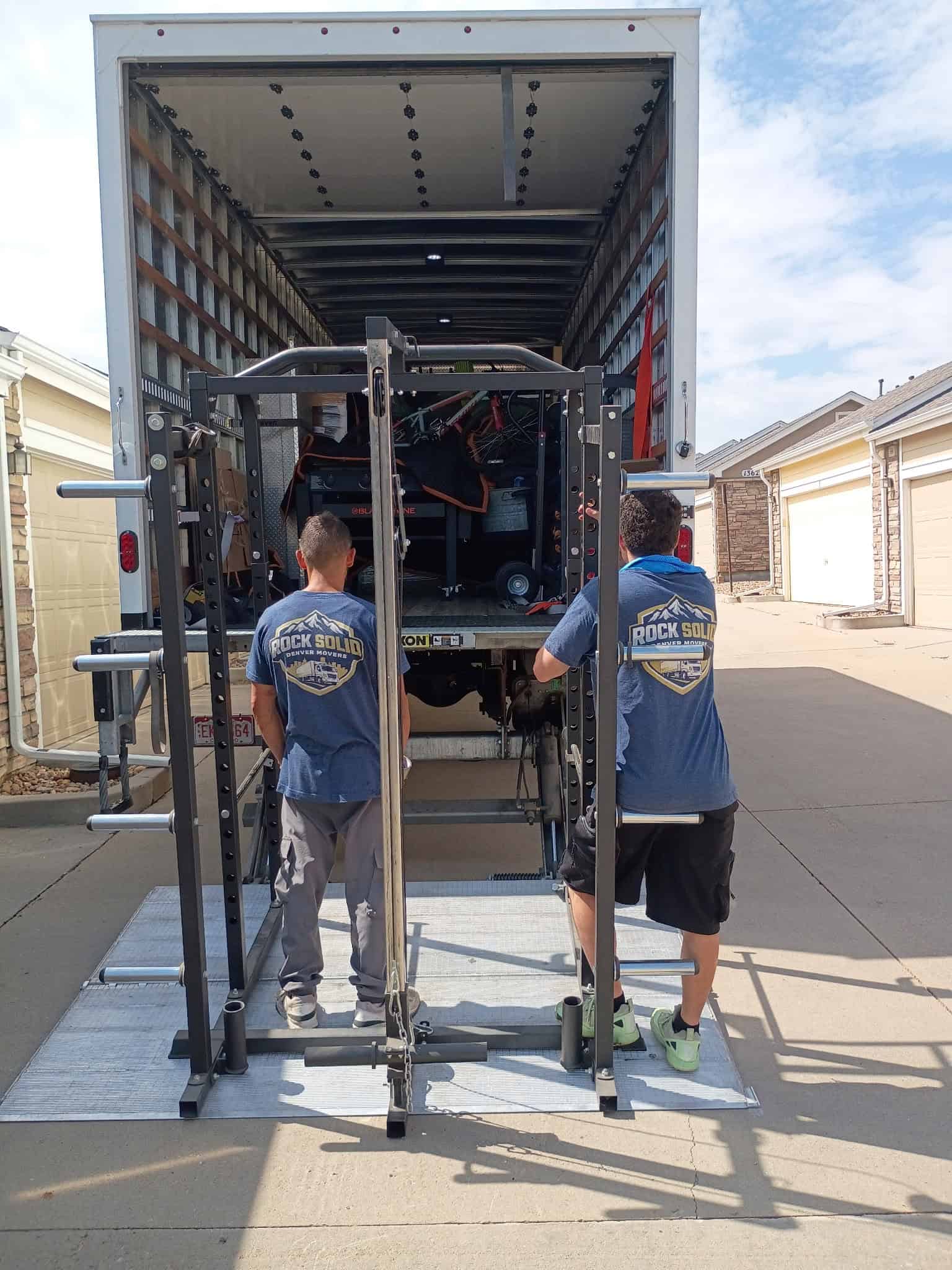
- Why it matters: Most full-service movers include basic furniture breakdown and reassembly, but always confirm. Some items, like complex gym equipment or pool tables, may require third-party specialists or incur extra fees.
4. Logistics and Specific Service Questions
Clarifying logistical details helps set expectations and avoid last-minute surprises when you “hire movers.”
- What is your availability for my preferred moving date?
- Why it matters: Booking in advance, especially during peak seasons (summer, end of month), is crucial. Popular movers get booked quickly.
- Will you provide packing services? What is the cost structure for that?
- Why it matters: If you need help packing, understand if it’s an hourly rate, a flat fee per box, or included in a package. Ask if materials are extra.
- Do you handle specialty items (pianos, hot tubs, artwork, safes)? Is there an extra charge?
- Why it matters: These items often require specialized equipment, more crew, and specific handling techniques. They almost always incur additional fees due to their weight, fragility, or complexity.
- What are your payment terms? When is payment due?
- Why it matters: Reputable movers typically don’t demand full payment upfront. Some may require a deposit, with the remainder due upon completion. Never pay cash only or a large sum before the move.
Essential Questions for Hiring Movers
| Category | Key Questions to Ask |
|---|---|
| Pricing & Estimates |
|
| Insurance & Damage |
|
| Crew & Equipment |
|
| Logistics & Services |
|
💡 Key Takeaway: When you “hire movers,” inquire about crew experience (full-time vs. temporary), equipment used, and whether they handle furniture disassembly/reassembly. Logistically, confirm their availability, inquire about packing services, specialty item handling, and understand their payment terms to ensure clear expectations and avoid surprises.
Conclusion
Asking the right “questions to ask movers before hiring” is the foundation of a successful and stress-free relocation. By thoroughly vetting potential companies on their pricing structures, insurance options, crew expertise, equipment, and logistical capabilities, you equip yourself with the knowledge to make an informed decision. Remember, transparency and clear communication from the start are hallmarks of a reputable moving company. Taking the time to ask these critical questions will not only protect your belongings but also provide invaluable peace of mind during one of life’s significant transitions.
Have questions about how to hiring a moving company? Reach out to our team today.
Frequently Asked Questions About Hiring Movers
How far in advance should I book a moving company?
It’s generally recommended to book a moving company at least 4-6 weeks in advance, and even earlier (2-3 months) if you’re moving during peak season (summer, end of the month, holidays) or for a long-distance move. Popular and reputable movers get booked quickly, so planning ahead gives you the best chance of securing your preferred date and company.
What is the difference between an hourly rate and a flat rate?
An hourly rate means you pay for the number of hours the movers work, typically plus travel time and potentially material costs. This is common for local moves. A flat rate (or binding estimate) is a fixed price for the entire move, regardless of how long it takes, provided the inventory doesn’t change. Flat rates offer more certainty, while hourly rates can be more cost-effective if the move goes faster than expected.
Should I get multiple estimates?
Yes, absolutely. Always get at least three written estimates from different moving companies. This allows you to compare prices, services included, and gauge the professionalism and responsiveness of each company. Beware of estimates that are significantly lower than others, as they might indicate hidden fees or less experienced service.
Do I need to tip movers? If so, how much?
Tipping movers is customary and appreciated, similar to other service industries. While not mandatory, it’s a way to show gratitude for their hard work. A common guideline is $5-10 per mover per hour for local moves, or 15-20% of the total cost divided among the crew for larger or long-distance moves, adjusted based on the complexity and quality of service.