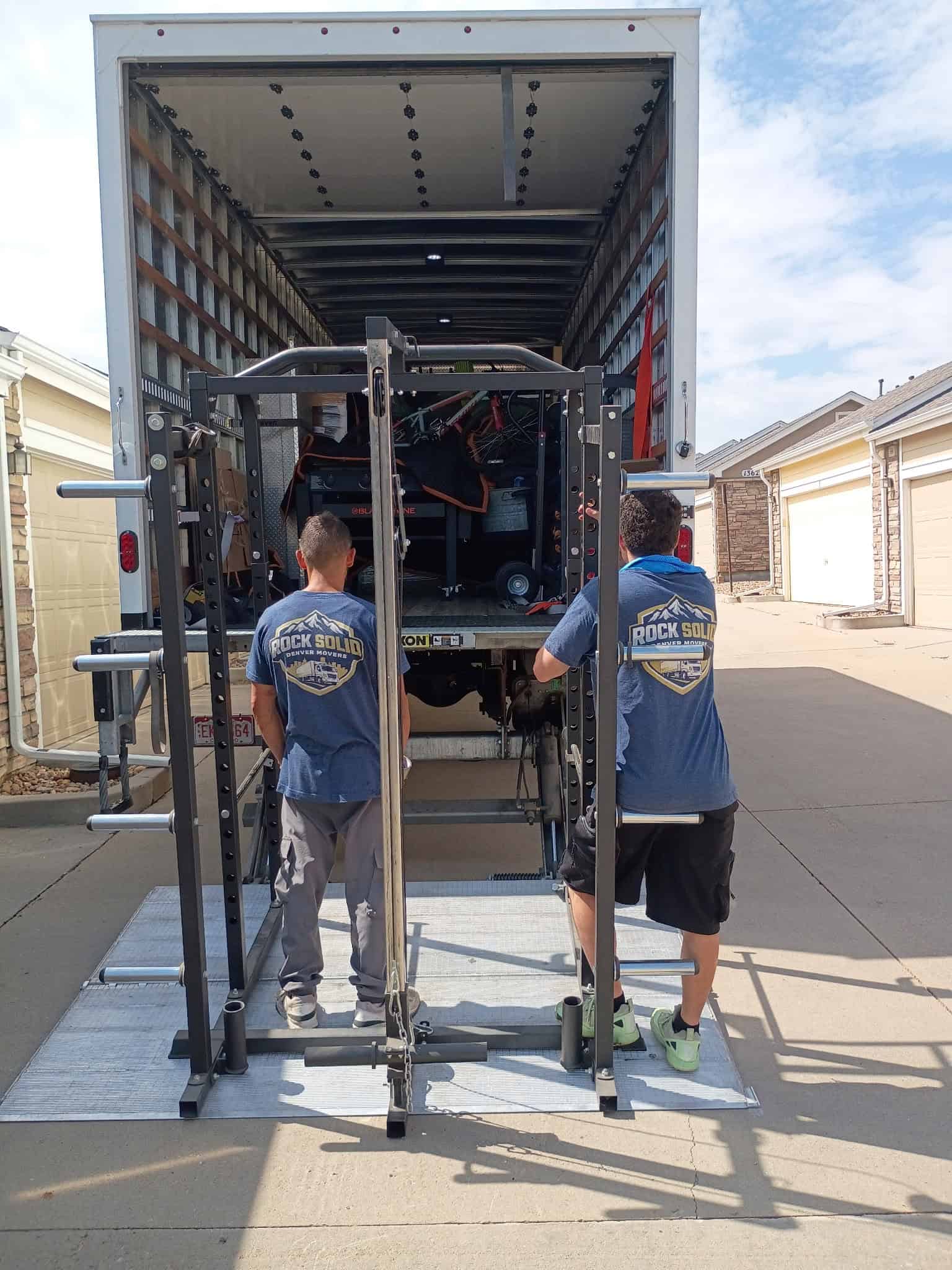
Moving heavy items isn’t just about brute strength; it’s about smart strategy and specialized tools. Whether you’re relocating a hefty gun safe, a grand piano, industrial machinery, or even a large appliance, attempting to move it without the right “heavy item moving equipment” is a recipe for disaster. Not only can it lead to severe injuries to yourself or others, but it can also cause irreparable damage to the item itself, your home’s floors and walls, or the moving vehicle. The sheer weight and awkward dimensions of many heavy objects demand a precise approach, often requiring more than just a standard dolly and strong backs.
This guide delves into the essential “heavy lifting moving equipment” that professionals rely on to ensure safety and efficiency when “moving heavy items.” We’ll explore the utility of stair climbers for navigating tricky elevations, the power of pallet jacks for horizontal movement, and the critical role of rigging hardware for securing and lifting. Understanding when and how to use these tools is key to a successful heavy item move. For specialized relocations, you can get a free quote from experts who have the tools and training for the job.
💡 Key Takeaway: “Moving heavy items” safely and efficiently requires specialized “heavy item moving equipment” rather than just brute force. Using tools like stair climbers, pallet jacks, and rigging hardware is essential to prevent injuries, protect valuable items, and avoid damage to property. Professionals understand the specific applications and safety protocols for each piece of “heavy lifting moving equipment.”
Specialized Tools for Navigating Heavy Loads
1. Stair Climbers: Conquering Vertical Challenges
When “moving heavy items” across different levels, stair climbers are invaluable.
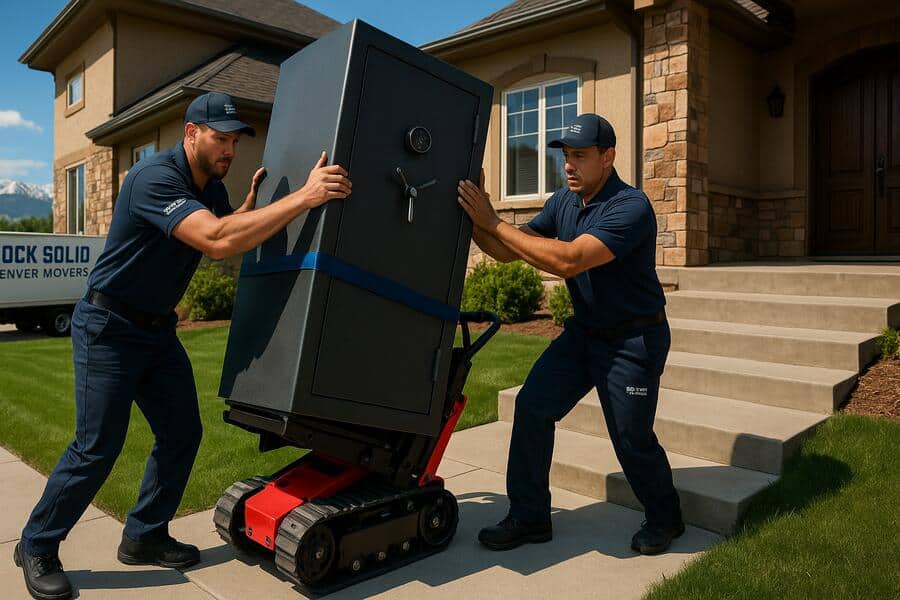
- What They Are: Stair climbers are specialized dollies designed to transport heavy objects up and down stairs. They typically feature a robust frame, durable tracks or wheels, and often a built-in motor for powered assistance. Some models have a flat lifting toe or plate to slide under the item.
- When They’re Used:
- Gun Safes: One of the most common applications. Safes are incredibly heavy and dense, making stair navigation extremely hazardous without a powered stair climber.
- Large Appliances: Refrigerators, washing machines, and commercial kitchen equipment can be moved safely up or down basements and multiple floors.
- Machinery: Smaller industrial machines, heavy printers, or HVAC units in multi-story buildings.
- Pianos: Especially upright and grand pianos that need to traverse stairs.
- Safety Considerations:
- Always verify the stair climber’s Safe Working Load (SWL) exceeds the weight of the item.
- Inspect the unit before each use: check frame, tracks, battery, straps, and brakes.
- Ensure sufficient manpower for spotting and guiding, even with powered units.
- Secure the item tightly with heavy-duty straps to the climber.
2. Pallet Jacks: Mastering Horizontal Movement
For moving “heavy items” horizontally across flat surfaces, pallet jacks are a game-changer.
- What They Are: A pallet jack, or pump truck, is a manual or electric tool used to lift and move pallets. It features a hydraulic pump that raises forks, lifting the pallet a few inches off the ground, making it easy to roll.
- When They’re Used:
- Palletized Goods: Moving boxes, equipment, or materials stored on pallets within a warehouse, garage, or even across a large residential space.
- Heavy Machinery: Maneuvering large, heavy machinery that comes mounted on skids or pallets.
- Safes and Heavy Objects on Dollies: Once a heavy item like a safe is on a heavy-duty furniture dolly or skate, a pallet jack can be used to lift the dolly and item for easier movement across longer distances or over thresholds.
- Moving into a Truck: Excellent for pushing heavy, palletized items into a moving truck, especially one equipped with a lift gate.
- Safety Considerations:
- Ensure the pallet is structurally sound and can support the load.
- Never exceed the pallet jack’s weight capacity.
- Distribute the load evenly on the forks.
- Be mindful of surroundings and always look in the direction of travel.
💡 Key Takeaway: When “moving heavy items,” specialized “heavy item moving equipment” is indispensable. Stair climbers, often powered, are essential for safely navigating gun safes, large appliances, and pianos up and down stairs. For horizontal movement across flat surfaces, pallet jacks are perfect for maneuvering palletized goods, heavy machinery, or items on dollies, significantly easing “heavy lifting moving equipment” needs.
Advanced Techniques and Comprehensive Planning
3. Rigging Hardware: Secure Lifting and Positioning
When items are too heavy or awkwardly shaped for dollies or jacks, “rigging” comes into play.
- What It Is: Rigging involves the use of specialized hardware such as shackles, slings (nylon, wire rope, chain), hoists, chains, and straps to safely lift, lower, and position extremely heavy or oversized items. It often involves attaching the item to an overhead lifting device (crane, gantry, hoist).
- When It’s Used:
- Industrial Machinery: Moving large, complex machinery within a factory or loading it onto specialized transport.
- Oversized Sculptures/Art: Handling delicate, heavy art pieces that require careful balance.
- Hot Tubs/Spas: When a hot tub cannot be rolled or dollied due to obstacles, rigging it with a crane over a house or fence is common.
- Safes into Basements: Using chain hoists or winches to carefully lower a safe into a basement through a window or opening.
- Safety Considerations:
- Rigging operations require advanced training and adherence to strict safety standards (e.g., ASME B30.26 for rigging hardware).
- Thorough inspection of all rigging hardware before each use for defects.
- Accurate assessment of the load’s weight and center of gravity.
- Never exceed the rated capacity of any component.
- Clear communication among all team members.
4. The Importance of Planning and Professional Expertise
Regardless of the “heavy lifting moving equipment” used, detailed planning is paramount.
- Assess the Item: Determine the exact weight, dimensions, and center of gravity of the item. Identify any delicate parts that need special protection.
- Scout the Route: Carefully measure all doorways, hallways, stairs, and turns. Check floor integrity, ceiling height, and potential obstacles. Consider temporary removal of doors or banisters.
- Gather Adequate Manpower: Even with the best equipment, “moving heavy items” often requires a team. Ensure you have enough people, all trained on the equipment and safety protocols.
- Hire Professionals: For items like gun safes, grand pianos, or large industrial equipment, the safest and most efficient solution is almost always to hire professional movers who specialize in heavy and oversized items. They possess the correct “heavy item moving equipment,” the expertise, and the insurance to handle such challenging moves.
Heavy Item Moving Equipment Overview
| Equipment Type | Primary Use | Common Items Moved | Key Safety Note |
|---|---|---|---|
| Stair Climber | Vertical movement up/down stairs | Gun safes, large appliances, pianos, heavy machinery. | Verify SWL, inspect unit, secure load tightly. |
| Pallet Jack | Horizontal movement on flat surfaces | Palletized goods, heavy machinery, items on dollies. | Do not exceed capacity, ensure stable load, watch surroundings. |
| Rigging Hardware | Lifting, lowering, precise positioning of oversized/awkward items | Industrial machinery, hot tubs, large sculptures, safes (into basements). | Requires advanced training, inspect all hardware, know load’s center of gravity. |
💡 Key Takeaway: Rigging hardware is essential “heavy item moving equipment” for lifting and positioning extremely heavy or awkwardly shaped items like industrial machinery or hot tubs, often involving overhead devices. Regardless of the tools used, meticulous planning (assessing items, scouting routes, gathering manpower) and professional expertise are paramount for safe and successful “moving heavy items.”
Conclusion
Moving heavy items is a specialized task that demands more than just muscle. It requires a strategic combination of knowledge, careful planning, and the right “heavy item moving equipment.” Stair climbers conquer vertical challenges, pallet jacks facilitate horizontal movement, and rigging hardware provides precision lifting for the most challenging objects. By understanding the application and safety protocols for each piece of “heavy lifting moving equipment,” you can significantly mitigate risks and ensure a smoother, safer relocation. For the most demanding moves, entrusting your heavy items to experienced professionals with the proper tools and expertise is always the wisest choice, protecting both your property and your peace of mind.
Have questions about how to heavy item moving equipment? Reach out to our team today.
Frequently Asked Questions About Equipment For Moving Heavy Items
What is a stair climber and when is it used for “heavy item moving equipment”?
A stair climber is a specialized dolly designed for safely moving heavy items up and down stairs. It often features a motor or tracks for assistance. It’s used for items like gun safes, large appliances (refrigerators, washers), pianos, and heavy machinery that need to traverse multiple levels or basement stairs, significantly reducing the physical strain and risk of injury.
How does a pallet jack help with “moving heavy items”?
A pallet jack is “heavy lifting moving equipment” primarily used for horizontal movement of heavy items, especially those on pallets or skids, across flat surfaces. Its hydraulic lift allows it to raise items a few inches off the ground, making them easy to roll. It’s ideal for moving heavy machinery, large boxes on pallets, or even items on heavy-duty dollies across warehouses, garages, or into moving trucks.
When is rigging hardware necessary for “heavy item moving equipment”?
Rigging hardware becomes necessary “heavy item moving equipment” when items are too heavy, too large, or too awkwardly shaped to be moved by conventional means or when they need to be lifted over obstacles. This includes using shackles, slings, hoists, and cranes to precisely lift and position industrial machinery, hot tubs over fences, large art pieces, or even lowering a gun safe into a basement through a window.
What are the key safety considerations when using “heavy lifting moving equipment”?
Key safety considerations when using “heavy lifting moving equipment” include always verifying the equipment’s safe working load (SWL) and never exceeding it. Thoroughly inspect all equipment before use, ensure the load’s weight and center of gravity are accurately assessed, and use heavy-duty straps to secure items firmly. Furthermore, adequate manpower, clear communication, and adherence to established safety standards (like ASME B30.26 for rigging) are paramount.