Moving at any time of year presents its challenges, but “moving in winter” weather adds a unique layer of complexity. From icy walkways to plummeting temperatures and unpredictable snowfalls, winter conditions can transform a straightforward relocation into a logistical headache. The risk of slips and falls, water damage to your home and belongings, and delays due to adverse road conditions all increase significantly. Without proper preparation and precautions, you could face damaged floors, compromised furniture, and a completely derailed moving schedule. Many assume that simply bundling up is enough, but successful “moving in snow” demands strategic planning to safeguard both your possessions and the people involved.
This guide offers practical “winter moving tips” to help you navigate the colder months with confidence. We’ll cover essential steps like clearing snow and ice from walkways, protecting your floors from slush and salt, and safeguarding sensitive items like electronics and musical instruments from extreme cold. We’ll also emphasize the critical importance of building schedule buffers to account for winter storms. By following these expert recommendations, you can minimize risks, protect your belongings, and ensure a smoother moving experience, even when the weather isn’t cooperating. For those seeking reliable support during colder months, remember that experienced local movers are well-versed in navigating these unique challenges.
💡 Key Takeaway: “Moving in winter” presents unique challenges like icy paths and cold temperatures. To ensure a smooth process and protect belongings, effective “winter moving tips” include clearing snow and ice, safeguarding floors from slush, protecting sensitive items from cold, and building schedule buffers for potential storms. Proper preparation is key to a successful “moving in snow” experience.
Preparing Your Home and Protecting Belongings
1. Clearing Walkways: Safety First for “Moving In Snow”
The immediate environment around your home is the first point of contact for movers, and safety here is paramount.
- Shovel and De-ice Religiously: Begin clearing snow and ice from your driveway, walkways, steps, and any access points the day before or morning of your move. Continue to monitor and re-clear throughout moving day if precipitation continues.
- Apply Salt or De-icer: Sprinkle a layer of rock salt, calcium chloride (for temperatures below 15°F, where regular salt loses effectiveness), or sand over all cleared paths. This provides crucial traction and helps prevent refreezing, significantly reducing the risk of slips and falls for your moving crew.
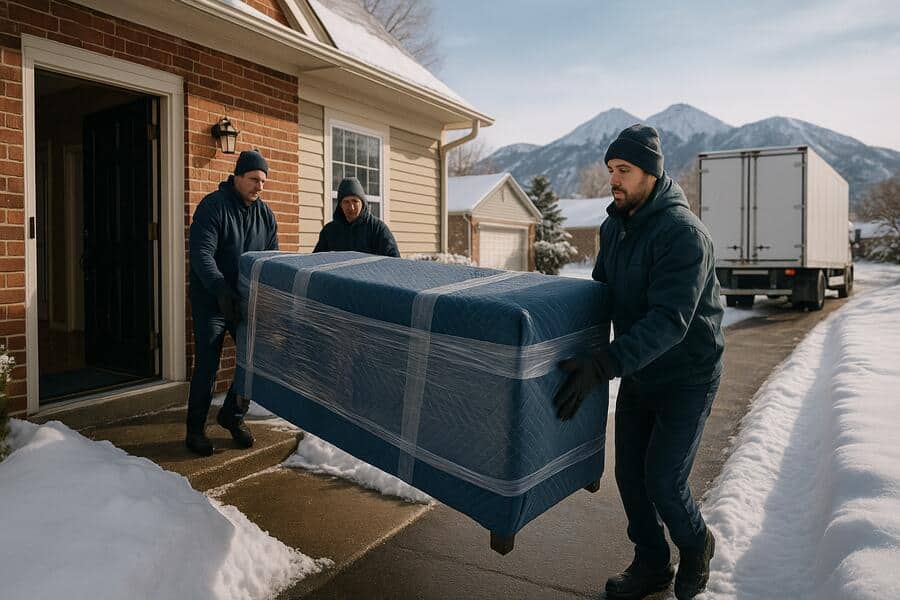
- Create a Clear, Wide Path: Ensure the path from your front door to the moving truck is as wide and clear as possible. This allows movers to maneuver bulky items safely without stepping into snowdrifts or onto icy patches.
- New Home Preparation: Don’t forget to prepare the walkways at your new residence in the same meticulous manner.
2. Protecting Floors from Slush, Salt, and Water
Winter boots track in more than just snow; they bring in slush, water, and road salt that can damage your floors.
- Floor Runners and Cardboard: Lay down waterproof runners, heavy-duty cardboard, or old blankets in high-traffic areas, especially from all entryways leading into your home. This acts as a protective barrier against moisture and grit.
- Dry Zone: Establish a “dry zone” just inside the main entrance where items can be placed briefly without touching wet or dirty surfaces. Keep plenty of old towels and rags on hand to quickly wipe up any tracked-in moisture.
- Regular Cleanup: Be prepared to sweep, mop, or dry any wet spots throughout the day. The goal is to keep interior floors as dry and clean as possible to prevent water stains, warping of wood, or salt damage to carpets.
- Remove Area Rugs: Consider rolling up and removing any area rugs from high-traffic areas to protect them from wet boots and potential stains.
💡 Key Takeaway: When “moving in winter,” prioritize safety by meticulously clearing snow and ice from all walkways and driveways, applying de-icer for traction, and creating wide, clear paths. Inside, protect your floors from slush, salt, and water by laying down waterproof runners, establishing a dry zone at entrances, and being ready for continuous cleanup. These “winter moving tips” are essential for a smooth and safe relocation.
Safeguarding Sensitive Items and Your Schedule
3. Keeping Electronics and Delicate Items Safe from Cold
Extreme cold can be just as damaging as heat for certain sensitive belongings.
- Electronics: Drastic temperature changes can cause condensation to form inside electronics, leading to damage. Keep computers, TVs, and other sensitive electronics insulated. Pack them in original boxes with plenty of padding, or use specialized moving boxes designed for electronics. Avoid leaving them in a cold vehicle or unheated garage for extended periods. Allow them to acclimate to room temperature for at least 24 hours before plugging them in at your new home.
- Musical Instruments: Pianos, guitars, and other wooden instruments are particularly vulnerable to temperature swings and humidity changes. Extreme cold can cause wood to crack, glue to fail, and metal components to corrode or warp. If possible, transport these items in a climate-controlled vehicle. If not, ensure they are well-padded and moved quickly from one heated environment to another.
- Artwork and Valuables: Fine art, antiques, and other delicate items should also be packed with extra insulation and transported carefully to minimize exposure to freezing temperatures. Consider climate-controlled storage if your new home isn’t immediately ready.
- Liquids: Ensure all liquids are tightly sealed and protected from freezing temperatures, which can cause them to expand, burst, and damage surrounding items.
4. Building Schedule Buffers for Winter Storms
Winter weather is notoriously unpredictable, making flexibility crucial for “moving in winter.”
- Monitor Forecasts: Start checking weather forecasts and road conditions frequently in the weeks and days leading up to your move. Pay attention to both your current location and your destination.
- Flexible Dates: If possible, choose moving dates that offer some flexibility. This might mean having a backup day or being prepared to shift your schedule slightly if a major storm is predicted.
- Communicate with Movers: Maintain open communication with your moving company. They can advise on weather-related delays, alternative routes, and necessary precautions. Experienced “local movers” are adept at navigating these challenges.
- Pack Essentials Separately: Pack a separate “essentials” box with warm clothing, hats, gloves, blankets, hot beverages, non-perishable snacks, and any medications. This ensures you have immediate access to comfort items if unexpected delays or cold conditions arise.
- Clear Communication Channels: Ensure your phone is charged, and you have contact information for your movers, real estate agents, and anyone else involved in the move.
Winter Moving Preparation Checklist
| Category | Action Item | Purpose/Benefit |
|---|---|---|
| Outdoor Safety | Shovel snow & de-ice all walkways/driveways. Apply salt/sand. | Prevent slips/falls, ensure clear path for movers. |
| Indoor Protection | Lay down waterproof floor runners. Create “dry zone.” Keep towels handy. | Protect floors from water, salt, slush damage. |
| Item Protection | Insulate electronics, musical instruments. Protect liquids from freezing. | Prevent cold-induced damage (condensation, cracking, bursting). |
| Schedule Flexibility | Monitor forecasts, consider flexible dates, pack essentials. | Buffer against weather delays, ensure comfort if stranded. |
💡 Key Takeaway: When “moving in winter,” protect sensitive items like electronics and musical instruments by insulating them well and preventing prolonged exposure to extreme cold, which can cause condensation, cracking, or corrosion. Additionally, build schedule buffers by closely monitoring weather forecasts and having flexible dates, especially when “moving in snow,” to account for unpredictable storms and potential delays. Always have an essentials box with warm supplies ready.
Conclusion
“Moving in winter” weather doesn’t have to be a nightmare, but it certainly demands a more rigorous approach to preparation and protection. By meticulously clearing snow and ice, safeguarding your floors from the elements, protecting delicate items from the harsh cold, and building flexibility into your schedule, you can significantly mitigate the risks associated with “moving in snow.” These “winter moving tips” aren’t just suggestions; they are crucial steps to ensure the safety of your belongings, the integrity of your home, and the efficiency of your move. With proper planning and foresight, you can turn a potentially stressful winter relocation into a smooth and successful transition to your new home.
Have questions about how to moving in winter? Reach out to our team today.
Frequently Asked Questions About Moving In Winter Weather: How To Protect Floors, Furniture, And Your Schedule
What are the most important “winter moving tips” for outdoor safety?
The most important “winter moving tips” for outdoor safety involve meticulously clearing snow and ice from your driveway, walkways, and steps. Shovel a clear, wide path, and apply rock salt, calcium chloride, or sand at least two hours before movers arrive to prevent refreezing and provide crucial traction. This greatly reduces the risk of slips and falls for everyone involved in your “moving in snow” process.
How can I protect my floors from snow, slush, and salt during a winter move?
To protect your floors from snow, slush, and salt when “moving in winter,” lay down waterproof runners, heavy-duty cardboard, or old blankets along high-traffic areas from all entryways. Create a “dry zone” just inside your door with towels to wipe moisture. Be prepared for continuous cleanup throughout the day to prevent water stains, warping of wood, or salt damage to carpets.
What precautions should I take for electronics and musical instruments when “moving in winter”?
For electronics and musical instruments when “moving in winter,” insulation is key. Pack electronics in their original boxes or well-padded alternatives and avoid leaving them in cold vehicles for extended periods to prevent condensation. Musical instruments, especially those made of wood like pianos and guitars, are highly vulnerable to extreme cold and humidity, which can cause cracking or warping; they should ideally be transported in climate-controlled conditions and moved quickly from one heated environment to another.
How should I plan my schedule to account for “moving in snow” conditions?
When “moving in snow,” build flexibility into your schedule. Start monitoring weather forecasts weeks in advance and consider having a backup moving day. Maintain open communication with your movers regarding potential delays due to weather. Always pack an “essentials” box with warm clothing, snacks, and medications in case of unexpected delays or challenging conditions during your “moving in winter” relocation.