
Relocating a large sofa can be one of the most challenging aspects of any move. This challenge is magnified when you’re dealing with a “sectional couch moving” or a “modular sofa moving.” Unlike a traditional, single-piece couch, these multi-part seating arrangements offer versatility in your home but introduce unique complexities on moving day. Trying to maneuver an entire sectional through tight hallways or doorways often leads to frustrating dead ends, scratched walls, and potentially damaged furniture. The key to successful “moving a sectional sofa” lies in understanding its construction and planning a strategic approach. Without proper preparation, you risk injury, property damage, and a very stressful moving experience.
This guide will walk you through the essential steps for “moving a sectional sofa” or “modular sofa moving” with ease. We’ll cover everything from safely separating the individual sections and identifying their hidden connectors to carefully planning the path for each piece. By following these expert tips, you’ll be able to disassemble, transport, and reassemble your multi-part sofa efficiently, ensuring it arrives at your new home in perfect condition. This knowledge is crucial whether you’re handling the move yourself or coordinating with professional denver furniture movers to ensure a smooth transition for these substantial pieces.
💡 Key Takeaway: “Moving a sectional sofa” or “modular sofa moving” is often complex due to their multi-piece construction. The key to success lies in safely separating individual sections and planning the transport path for each piece. Attempting to move an entire sectional as one unit can cause damage and stress, making careful disassembly and planning essential for “sectional couch moving.”
Disassembly: The First Step in “Moving a Sectional Sofa”
1. Identifying and Locating Connectors
The first and most critical step in “moving a sectional sofa” is understanding how its individual pieces connect. Different manufacturers use various “sectional couch moving” connector types.
- Inspect Underneath and Behind: Start by thoroughly inspecting the underside and back of your sectional. Most connectors are located at the seam where two modules meet, typically on the underside of the frame. You might need to tip the joined sections backward or lift the front edge a few inches to get a clear view with a flashlight.
- Common Connector Types:
- Hook-and-Clamp (or Alligator Clips): These are metal hooks on one module that clip into clamps or posts on the adjacent piece. They’re very secure and common.
- Pin-and-Cup Fittings: A metal pin on one side inserts into a corresponding cup on the other.
- Bolted Joints: Some sectionals use visible screws or bolts that require basic tools (e.g., Allen wrench, screwdriver) to remove.
- Slide-and-Lock Systems: Frames that interlock via grooves or tension rods, often requiring a gentle lift or prying motion.
- Velcro and Fabric Ties: Less common on heavy-duty sectionals, these are typically found on softer, lighter modular designs.
- Built-in Locking Connectors: Modern modular sofas often have hidden steel connectors built directly into the frame that engage when pieces are pushed together and disengage when lifted straight up.
- Consult Manufacturer Instructions: If you’re unsure or can’t locate the connectors, always check the manufacturer’s assembly or disassembly instructions. Never force sectional pieces apart, as this can damage the frame, upholstery, or the connectors themselves.
2. Safely Separating Sections
Once you’ve identified the connector type, you can proceed with carefully separating each section of your “sectional couch moving.”
- Clear the Area: Ensure you have ample space around the sectional to maneuver each piece once it’s detached. Remove any decorative pillows, cushions, and loose items.
- Two-Person Job: While some lighter modular sofas might allow for one person, it’s always safer and easier to have at least two people for “moving a sectional sofa.” This ensures that each component is supported as fasteners are removed.
- Release Mechanism:
- For hook-and-clamp systems: Gently lift one piece near the connection point to disengage the hook from the clamp. It may require a slight wiggle.
- For bolted joints: Use the appropriate tool to unscrew the bolts, ensuring you save all hardware in a labeled bag.
- For slide-and-lock: Often, a firm, upward lift will release the interlock.
- For Velcro/ties: Simply unfasten them.
- Support Components: As you release each connection, ensure the component being detached is well-supported to prevent it from dropping or putting stress on other parts. Keep hands clear of pinch points.
- Organize Hardware: Place all removed bolts, screws, and small connector pieces into a labeled plastic bag. Tape this bag to one of the corresponding sectional pieces or keep it with your essential moving box. This prevents loss and simplifies reassembly.
💡 Key Takeaway: The first step in “moving a sectional sofa” is to accurately identify and locate the hidden connectors, typically found underneath or behind the frame at the seams. Never force pieces apart; consult manufacturer instructions if unsure. Once identified, safely separate each section using the appropriate release mechanism, always ensuring components are supported and all hardware is meticulously organized for reassembly.
Planning the Path and Protecting Your Investment
3. Strategic Path Planning for Each Piece
With your “sectional couch moving” into individual, manageable pieces, the next step is to plan their exit route.
- Measure Doorways and Hallways: Even individual sectional pieces can be bulky. Measure the width and height of all doorways, hallways, and stairwells that each piece will pass through. Don’t forget to account for any tight turns or corners.
- Clear the Path: Remove any obstacles from your chosen path. This includes removing rugs, tripping hazards, wall decorations, and even dismounting doors if necessary to gain extra clearance.
- Pre-Plan the Truck Loading: Think about how each piece will be loaded onto the moving truck. Will it need to be tipped on its side? Will it fit flat? Plan to load the heaviest pieces first and distribute weight evenly.
- New Home Entry: Remember to plan the entry path at your new home as well. Clear the new space, measure doorways, and ensure the reassembly area is ready.
4. Protecting Sections During Transit
Each individual section, once separated, still requires careful handling and protection.
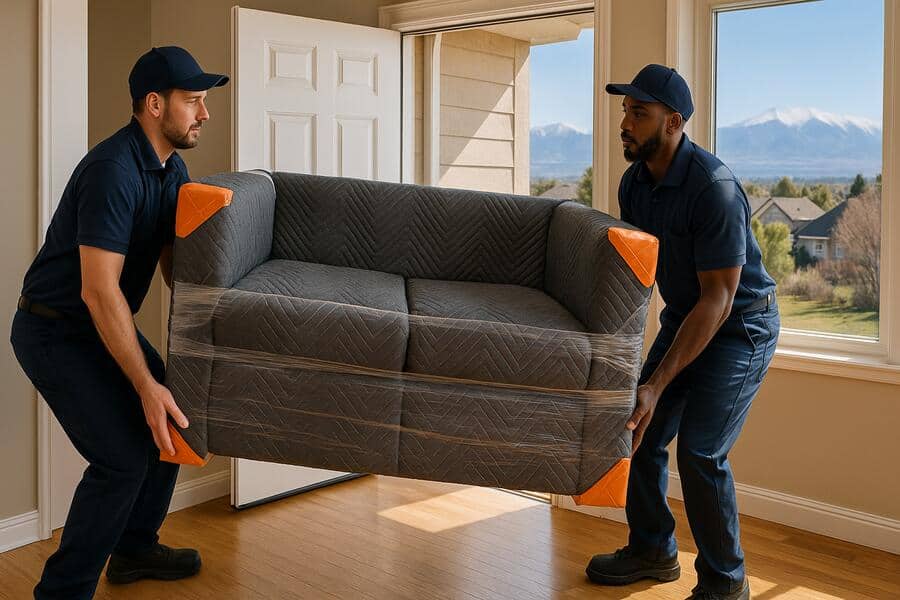
- Wrap with Moving Blankets: Cover each individual sectional piece with thick moving blankets or furniture pads. Secure these blankets with stretch wrap to prevent scratches, tears, and dirt during transport. Pay extra attention to corners and edges, which are most prone to damage.
- Use Corner Protectors: For wooden frames or exposed hard edges, consider using cardboard or foam corner protectors for added defense against dings and dents.
- Lift, Don’t Drag: Always lift each piece, never drag it. Use proper lifting techniques to protect your back and the furniture.
- Secure in the Truck: Once on the truck, use moving straps or ropes to secure each sectional piece firmly in place. Prevent them from shifting, rubbing against other items, or tipping over during transit. Ensure there are no gaps that could allow movement.
- Upholstery Protection: If using stretch wrap directly on upholstered items (without a blanket first), ensure the fabric is completely dry to prevent moisture trapping, which can lead to mold or mildew. However, wrapping upholstered items in blankets first and then stretch wrap is generally preferred for comprehensive protection.
Modular Sofa Disassembly & Moving Checklist
| Stage | Action Item | Benefit for “Moving a Sectional Sofa” |
|---|---|---|
| Preparation | Clear area, remove cushions, inspect for connectors, consult manual. | Prevents damage, identifies proper disassembly method. |
| Disassembly | Safely release connectors, support each piece, bag all hardware. | Allows individual piece transport, prevents loss of crucial parts. |
| Path Planning | Measure doorways/hallways, clear obstacles, plan truck loading. | Ensures smooth transit, avoids snags, reduces risk of property damage. |
| Protection | Wrap pieces in blankets, secure with stretch wrap, use corner protectors. | Safeguards against scratches, tears, dirt; ensures pristine condition. |
💡 Key Takeaway: For effective “sectional couch moving” or “modular sofa moving,” meticulously plan the path for each separated piece, measuring all doorways and hallways to ensure clearance. During transit, protect each section by wrapping it in thick moving blankets secured with stretch wrap, using corner protectors for vulnerable edges, and strapping everything firmly in the truck to prevent shifting and damage.
Conclusion
“Moving a sectional sofa” or “modular sofa moving” doesn’t have to be an overwhelming task. By approaching it systematically – starting with careful disassembly, meticulously identifying and releasing connectors, and then strategically planning the path for each individual piece – you can navigate this challenge with confidence. Protecting each section with moving blankets, stretch wrap, and corner guards is paramount to ensuring your valuable furniture arrives at its new destination unscathed. Whether you’re tackling the move yourself or entrusting it to professionals, these detailed steps for “sectional couch moving” will save you time, effort, and prevent costly damage, allowing your versatile sofa to quickly become the centerpiece of your new living space once again.
Have questions about how to moving a sectional sofa? Reach out to our team today.
Frequently Asked Questions About Moving Sectional And Modular Sofas
What is the first step in “moving a sectional sofa”?
The first and most crucial step in “moving a sectional sofa” is to identify and locate how its individual sections connect. This usually involves inspecting the underside and back of the sofa for metal hooks, clamps, bolts, or other interlocking mechanisms. Never force the sections apart, as this can cause damage.
How do I safely separate the sections of my “sectional couch moving”?
To safely separate sections for “sectional couch moving,” first clear the area. Then, depending on the connector type (e.g., hooks, bolts, slide-and-lock), gently lift, unbolt, or slide the pieces apart. It’s always best to have at least two people to support each component as it’s detached. Remember to collect all hardware in a labeled bag.
What should I do to protect each section during “modular sofa moving”?
For “modular sofa moving,” each separated section should be individually wrapped for protection. Use thick moving blankets or furniture pads to cover the entire piece, then secure these pads with several layers of stretch wrap to prevent scratches, tears, and dirt. Pay special attention to vulnerable corners and edges, using corner protectors if available, and ensure items are securely strapped in the moving truck.
Why is path planning important when “moving a sectional sofa”?
Path planning is vital when “moving a sectional sofa” because even individual sections can be bulky. Measuring all doorways, hallways, and stairwells at both your old and new homes ensures each piece can pass through without getting stuck or damaging walls. Clearing obstacles and pre-planning how pieces will be loaded and unloaded also streamlines the entire process, preventing frustrating delays and potential damage.

