
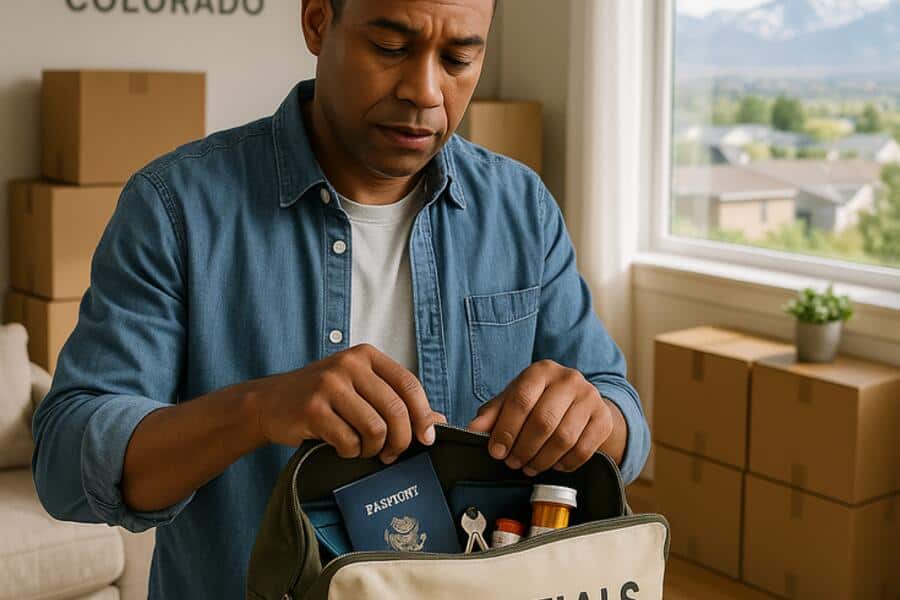
Even when you’ve invested in professional movers and packers, there’s a critical category of items you should always keep with you. Understanding “what not to let movers pack” is paramount, not just for your peace of mind, but often for safety and legal reasons. While professional packers are experts at carefully boxing up household goods, certain possessions are either prohibited from transport or simply too valuable, personal, or essential to entrust to a moving truck. Failing to identify these items upfront can lead to lost medications, unrecoverable documents, or misplaced sentimental treasures, adding immense stress to an already busy moving day.
This guide will detail the crucial items you need to “pack valuables yourself” and keep by your side, even when hiring comprehensive “professional packing services.” We’ll cover everything from vital documents and precious jewelry to necessary medications, firearms, and essential keys and chargers. Furthermore, we’ll explain the importance of an “essentials box” for your first night in the new home. By carefully curating what stays with you, you’ll safeguard your most important possessions and ensure a smoother, less stressful transition to your new residence, leaving the heavy lifting and bulk packing to the professionals.
💡 Key Takeaway: Even with “professional packing services,” knowing “what not to let movers pack” is crucial. You must “pack valuables yourself” and keep them with you, including vital documents, jewelry, medications, firearms, keys, and chargers, along with an “essentials box” for your first night.
Understanding “What Not To Let Movers Pack”
1. Irreplaceable & High-Value Items: Documents, Valuables & Sentimental Keepsakes
This category forms the core of “what not to let movers pack” due to their extraordinary value, personal significance, or the difficulty of replacement.
- Important Documents: These should always travel with you.
- Passports, birth certificates, social security cards, marriage licenses.
- Financial records: bank statements, tax documents, investment portfolios.
- Legal documents: wills, deeds, insurance policies, medical records.
- School records, professional licenses.
- Lease agreements or closing documents for your new home.
- Jewelry and Precious Metals: These are considered “articles of extraordinary value” (often defined as items valued over $100 per pound). While movers offer valuation coverage, it’s safer to keep these items in your direct possession. The risk of loss or theft, however small, is too high for items that are often irreplaceable.
- Cash and Financial Instruments: Any significant amount of cash, checkbooks, credit cards, or blank checks should always be with you.
- Sentimental Keepsakes: Photos, family heirlooms, children’s artwork, or small mementos that hold significant emotional value but not necessarily high monetary value are best kept with you. Their emotional cost of loss far outweighs any insurance compensation.
- Computer Backup Drives: External hard drives or USBs containing irreplaceable digital photos, videos, or documents should always be kept secure with you.
2. Medications, Keys, Chargers & Essential Electronics
These items are critical for your immediate well-being and functionality, making them a definite for “pack valuables yourself.”
- Prescription and Over-the-Counter Medications: All prescription drugs, especially daily medications, as well as essential over-the-counter medicines (pain relievers, allergy meds), should be packed in your personal bag. You’ll need immediate access, and a moving truck’s environment might not be suitable for temperature-sensitive drugs.
- Keys: All sets of keys for your current and new home, cars, storage units, and safety deposit boxes should be in your immediate possession. Imagine arriving at your new home and not being able to get in!
- Personal Electronics and Chargers:
- Cell phones, laptops, tablets, and their respective chargers are indispensable for staying connected and functional during the move.
- E-readers, portable gaming devices, and headphones for entertainment during downtime.
- Eyeglasses, Contact Lenses, and Hearing Aids: Any personal assistive devices that you rely on daily should be carried with you.
💡 Key Takeaway: When asking “what not to let movers pack,” always prioritize irreplaceable documents (passports, legal papers), high-value items (jewelry, cash), and deeply sentimental keepsakes; these should be part of what you “pack valuables yourself.” Additionally, essential medications, all keys, and critical personal electronics with their chargers are absolute must-haves for your immediate possession to ensure continuous functionality and well-being during the move.
Prohibited Items and Your “Essentials Box”
3. Items Movers Cannot Transport (Hazardous Materials & Prohibited Goods)
Beyond personal preference, certain items are legally or professionally prohibited from being transported by movers due to safety risks. This is a crucial aspect of “what not to let movers pack.”
- Hazardous Materials: These are strictly forbidden from enclosed moving trucks.
- Flammables: Gasoline, propane tanks, lighter fluid, paints, paint thinners, aerosols (even empty ones), nail polish remover, cleaning solvents, alcohol (extensive wine collections can sometimes be moved in climate-controlled vans).
- Explosives: Fireworks, ammunition, firearms (check state and federal laws carefully, often must be transported personally and legally).
- Corrosives: Acids, ammonia, bleach, car batteries.
- Poisons & Pesticides: Fertilizers, weed killers, insect sprays.
- Pressurized Items: Aerosol cans, fire extinguishers, scuba tanks (even if emptied).
- Perishables: Food that can spoil, melt, or attract pests (frozen foods, refrigerated items, fresh produce).
- Plants and Live Animals: Movers are not equipped to transport live plants or pets safely or legally. These require special arrangements.
For a comprehensive list, always check with your specific moving company and review resources like the FMCSA’s guidelines on hazardous materials.
4. The Indispensable “Essentials Box”
Even with “professional packing services,” an “essentials box” is a non-negotiable item you “pack valuables yourself” and keep with you.
- First Night Comforts: This box should contain everything you’ll need immediately upon arrival at your new home before you start unpacking the main boxes.
- Toiletries: Toothbrushes, toothpaste, soap, shampoo, toilet paper.
- Change of clothes for everyone for 1-2 days.
- Basic bedding: Sheets, pillows for the first night.
- Small first-aid kit and any necessary medications.
- Pet supplies (food, bowls, leash, litter box) if you have pets.
- Kids’ comfort items: Favorite toy, blanket, book.
- Snacks and bottled water.
- Basic cleaning supplies: Paper towels, all-purpose cleaner.
- Tools: A box cutter, screwdriver, and allen wrench for initial unpacking or furniture reassembly.
- Garbage bags.
- Accessibility: This box should be clearly labeled and placed in your personal vehicle or designated “do not move” area, ensuring it’s the last thing out of the old place and the first thing into the new.
Items to Keep with You vs. Items Movers Can Pack
| Category | “What Not To Let Movers Pack” (Keep with You) | What “Professional Packing Services” Can Handle |
|---|---|---|
| Documents & Valuables | Passports, birth certificates, deeds, financial records, cash, jewelry. | Books, general paperwork (non-critical), photo albums (non-irreplaceable). |
| Health & Safety | All medications, eyeglasses, keys, firearms, ammunition. | Linens, towels, non-prescription first aid supplies. |
| Electronics & Personal | Laptops, cell phones, chargers, external hard drives, sentimental keepsakes. | TVs, gaming consoles, lamps, stereo equipment (properly packed). |
| Prohibited Items | Flammables, corrosives, explosives, perishables, plants, live animals. | N/A (Movers cannot transport these items). |
| First Night Essentials | Toiletries, change of clothes, basic bedding, snacks, tools. | All other household goods (furniture, kitchenware, decor). |
💡 Key Takeaway: Beyond personal valuables, you must understand “what not to let movers pack” due to safety regulations. This includes hazardous materials (flammables, explosives, corrosives), perishables, plants, and live animals. Alongside these, an “essentials box,” packed personally, is critical for your first night in the new home, containing immediate necessities like toiletries, a change of clothes, and basic tools.
Conclusion
Even when you choose the convenience of “professional packing services,” knowing “what not to let movers pack” is a fundamental aspect of a successful and stress-free move. By making a conscious effort to “pack valuables yourself”—including critical documents, high-value jewelry, essential medications, and personal electronics—you safeguard your most important possessions against loss or damage. Furthermore, understanding the list of prohibited items ensures compliance with safety regulations and avoids delays. Finally, preparing a dedicated “essentials box” guarantees that you have immediate access to necessary comforts and tools upon arrival. This selective approach to packing empowers you, even while delegating the bulk of the work, to maintain control over your most vital belongings and enjoy a smoother transition to your new home.
Have questions about what not to let movers pack? Reach out to our team today.
Frequently Asked Questions About What To Pack Yourself, Even When You Hire Packers
“What not to let movers pack” if I have important documents?
You should absolutely “pack valuables yourself” for important documents. This includes passports, birth certificates, social security cards, legal paperwork (wills, deeds), financial records (bank statements, tax documents), and medical records. These items are irreplaceable and should always be transported securely with you, not in moving boxes.
Why can’t movers pack my medications or valuable jewelry?
Movers cannot pack your medications because you need immediate access to them, and the moving truck’s environment might not be suitable for all drugs. Valuable jewelry, along with cash and other “articles of extraordinary value” (typically over $100 per pound), should be kept with you. While movers offer valuation coverage, the risk of loss or theft, and the sentimental value, make it far safer to “pack valuables yourself” and keep them in your direct possession.
What kinds of hazardous materials are movers prohibited from packing?
Movers are prohibited from packing hazardous materials due to safety regulations. This includes flammables (gasoline, propane, paints, aerosols), explosives (fireworks, ammunition), corrosives (acids, bleach, car batteries), poisons (pesticides, fertilizers), and pressurized items (scuba tanks, fire extinguishers). These items must be handled and transported separately, often by you personally, according to local and federal laws.
What should I put in my “essentials box” when hiring “professional packing services”?
Even with “professional packing services,” an “essentials box” is critical. It should contain items you’ll need immediately upon arrival at your new home. This includes toiletries, a change of clothes for a day or two, basic bedding, any crucial medications not in your personal bag, phone chargers, snacks, bottled water, pet supplies, and a small tool kit (like a box cutter and screwdriver) for initial unpacking. You “pack valuables yourself” in this box and keep it separate.

