Moving large appliances can be one of the most daunting aspects of any relocation. These items are not only heavy and bulky but often delicate and complex, requiring specialized handling to prevent damage to the appliance itself or your property. When homeowners and businesses ask, “What is the appliance movers cost?” they quickly realize it’s far from a fixed price. Several critical factors influence the final appliance moving service price, making each quote unique.
Understanding these cost drivers can help you prepare your budget and ensure a smooth, damage-free move for your essential household or commercial equipment. From the type of appliance to the accessibility of your property, every detail plays a role in the cost to move appliances. For instance, safely relocating particularly challenging items often requires specialized equipment and expertise from heavy appliance movers. Let’s delve into the specifics that shape your appliance moving quote.
💡 Key Takeaway: Appliance moving costs are highly variable, determined by factors like appliance type, weight, accessibility, and the need for disconnection/reconnection, not just the mere act of transport.
Key Factors Influencing Your Appliance Moving Cost
Appliance Type and Weight
The specific type and weight of your appliances are primary determinants of the moving cost. Not all appliances are created equal in terms of moving complexity:
- Standard Appliances: Items like upright refrigerators (under 300 lbs), washers, dryers, and traditional ranges are generally straightforward to move, provided they are freestanding and fit through standard doorways.
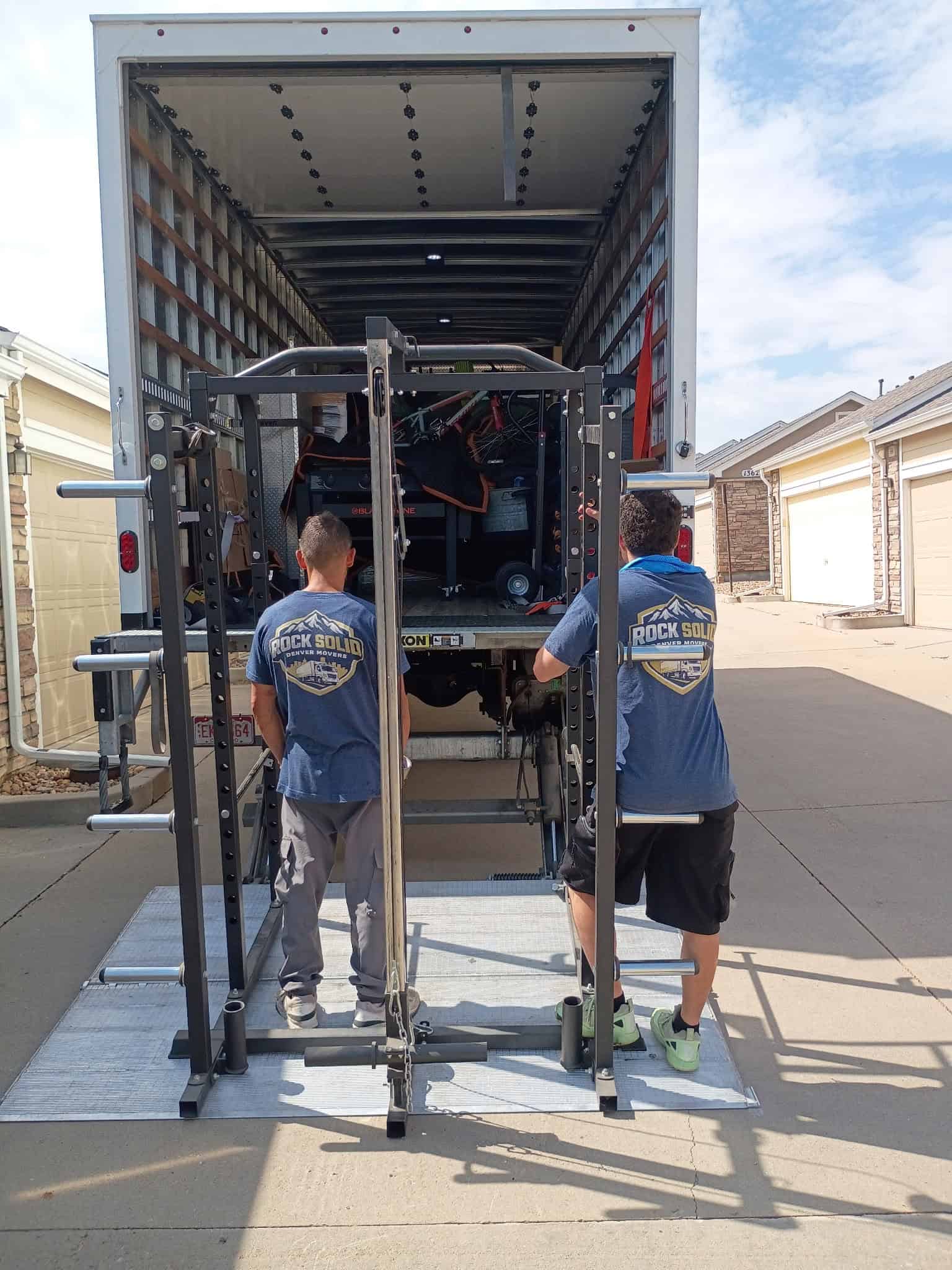
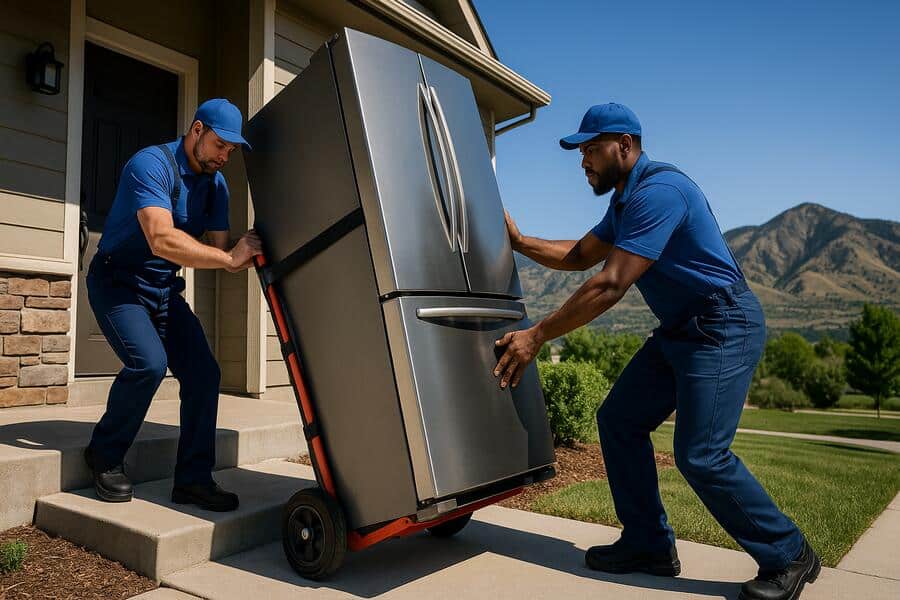
- Oversized or Heavy-Duty Appliances: Double-door refrigerators, commercial-grade stoves, large chest freezers, or specialty wine coolers are much heavier and often bulkier. They demand more manpower, specialized lifting equipment (like appliance dollies with straps), and careful maneuvering, which increases the labor time and thus the appliance movers cost.
- Specialty Appliances: Built-in ovens, cooktops, dishwashers, or sub-zero refrigerators often require professional disconnection and reinstallation services, adding a layer of complexity and cost.
Movers assess these factors during the quoting process to determine the appropriate crew size, equipment, and time required for safe transport.
Stairs and Property Accessibility
One of the most significant factors affecting the cost to move appliances is the presence of stairs or difficult access points. Carrying heavy, cumbersome appliances up or down flights of stairs dramatically increases the physical effort, time, and risk involved in the move. It often requires additional movers and specialized equipment to ensure safety for both the crew and the appliance.
Other accessibility challenges that impact the appliance moving service price include:
- Tight Doorways and Hallways: Narrow openings or sharp turns can make maneuvering large appliances challenging, sometimes requiring temporary removal of doors or careful disassembly of parts.
- Elevators: While an elevator can simplify moves in multi-story buildings, it can also cause delays if it’s small, slow, or shared with other residents.
- Long Carries: If the moving truck cannot park close to the entrance of your home or building, movers will have to transport appliances over a longer distance, adding to the labor time.
Providing detailed information about stairs, doorway widths, and any other access limitations is crucial for an accurate estimate.
💡 Key Takeaway: Stairs, tight doorways, and long carries are major cost drivers for appliance moving, requiring extra labor, equipment, and time.
Disconnection and Reconnection Services
A crucial aspect of moving many appliances, especially those connected to utilities, is proper disconnection and reconnection. While some moving companies offer these services, many strictly adhere to policies where they do not handle gas lines, water lines, or electrical wiring due to liability and licensing requirements. Instead, they expect appliances to be professionally disconnected by a qualified technician or the homeowner prior to their arrival.
If you require disconnection and reconnection services, it’s vital to clarify this with your chosen appliance moving service. These services are often an additional cost, either provided by a specialized technician or sometimes by the moving company if they have licensed personnel. Failure to have appliances properly disconnected before movers arrive can lead to delays or inability to move the item, impacting the overall appliance moving cost.
Distance of the Move
Like any moving service, the distance your appliances need to travel directly influences the overall cost. For local moves, the appliance movers cost is often calculated hourly, encompassing the labor, truck, and travel time. A longer distance between your pickup and delivery locations will naturally lead to more billable hours for travel, higher fuel consumption, and increased vehicle wear.
For moves covering significant distances or across state lines, pricing models typically shift to consider factors like weight, volume, and mileage, becoming a more complex calculation. Always provide accurate addresses for both ends of the move to ensure your quote reflects the travel component realistically.
Overview of Appliance Moving Cost Factors
| Factor | Cost Impact |
|---|---|
| Appliance Type & Weight | Heavier, bulkier, or specialty items require more labor and specialized equipment. |
| Stairs & Accessibility | Increases labor time, risk, and potential need for additional crew or gear. |
| Disconnection/Reconnection | May require a separate technician or be an added service if offered by movers. |
| Distance of Move | Longer travel times and fuel consumption increase overall cost. |
💡 Key Takeaway: Clear communication with your movers about all appliance details and property access is essential for an accurate and transparent appliance moving service price.
Conclusion
The cost to move appliances is a dynamic calculation influenced by several key factors. While it’s tempting to focus solely on the base transport, ignoring aspects like appliance type, property accessibility, or the need for professional disconnection can lead to unexpected expenses or, worse, damage. Choosing experienced appliance movers who understand these complexities ensures your valuable equipment is handled with the care it deserves, arriving safely and ready for use in its new home. By being transparent about your needs and understanding the components of your quote, you can make an informed decision for your appliance relocation.
Have questions about how appliance movers cost? Reach out to our team today.
Frequently Asked Questions About Appliance Moving Costs
Do movers disconnect appliances?
Most standard moving companies do not disconnect or reconnect appliances that involve gas, water, or specialized electrical wiring due to liability and licensing regulations. It’s usually the homeowner’s responsibility to have these professionally disconnected prior to the movers’ arrival and reconnected at the new location.
Is it worth hiring professional appliance movers?
Given the weight, bulk, and potential for damage (to the appliance, floors, or walls), hiring professional appliance movers is generally worth the investment. They have the right equipment, training, and insurance to handle these challenging items safely and efficiently, often preventing costly repairs or replacements.
How can I get an accurate estimate for moving my appliances?
To get the most accurate estimate, provide your moving company with a detailed list of all appliances, their approximate size and weight (if known), and full details about access at both locations, including any stairs, tight turns, or long carries. Mention if any appliances are built-in or require special handling.
What should I do to prepare my appliances before movers arrive?
For refrigerators, defrost and empty them completely, securing all shelves and drawers. For washers and dryers, ensure they are empty and disconnected from utilities. Clean all appliances thoroughly. For any appliance connected to gas or water, ensure a licensed professional has safely disconnected them.