
A pool table is more than just a piece of furniture; it’s an investment, a source of entertainment, and often a cherished centerpiece in a game room. When circumstances require you to put it into storage, understanding “how to store a pool table” properly is paramount. Improper storage can lead to warped slate, damaged felt, cracked wood, and ultimately, a ruined table. Unlike many other household items, a pool table cannot simply be tossed into a storage unit without meticulous preparation. Its delicate construction, heavy slate, and precise leveling requirements demand a specific approach to ensure its integrity.
This guide will walk you through the essential steps for “pool table storage,” from professional disassembly and the critical method for “storing slate” to protecting the rails and pockets, and understanding the vital role of climate control. Following these guidelines will preserve your table, whether for a short period or an extended duration. Remember, a professional disassembly is almost always mandatory for safe and effective long-term storage. For those seeking expert assistance with delicate items, a professional pool table moving service can ensure your table is handled with the care it deserves.
💡 Key Takeaway: Learning “how to store a pool table” properly is crucial to protect your investment. This involves professional disassembly, correctly “storing slate” flat and supported, carefully protecting rails and pockets, and maintaining strict climate control. Ignoring these steps can lead to irreversible damage to this delicate and heavy item.
Critical Steps for Disassembly and Component Protection
1. Mandatory Professional Disassembly
Attempting to move or store a pool table assembled or partially disassembled is a common, and often catastrophic, mistake. This is why professional disassembly is the first and most vital step for “how to store a pool table.”
- Why it’s Necessary: Pool tables are not designed to be moved whole. The slate bed, typically made of three heavy, precisely leveled pieces, can crack under uneven stress. The frame and legs are also susceptible to warping or breaking if the table is lifted incorrectly.
- What a Professional Does: A qualified technician will systematically:
- Remove the pockets.
- Carefully remove the rails.
- Detach the felt, often peeling it back without damage if it’s to be reused.
- Unscrew and meticulously remove each slate piece.
- Disassemble the frame and legs.
- Labeling and Packaging: Every piece, including hardware (bolts, screws, shims), will be carefully labeled, bagged, and protected for reassembly. This attention to detail is crucial for the table’s structural integrity when it’s put back together.
2. The Art of “Storing Slate”: Flat and Supported
The slate is the heaviest and most fragile component of your pool table, making “storing slate” correctly paramount.
- Always Store Flat: This is the golden rule. Slate pieces must always be stored horizontally, never on their side or edge. Storing slate vertically, even for a short period, can cause it to warp, crack, or break under its own weight.
- Provide Even Support: Place the slate on a perfectly flat, sturdy surface that provides uniform support across its entire area. A wooden pallet, a sturdy platform, or even concrete blocks with a plywood sheet on top work well.
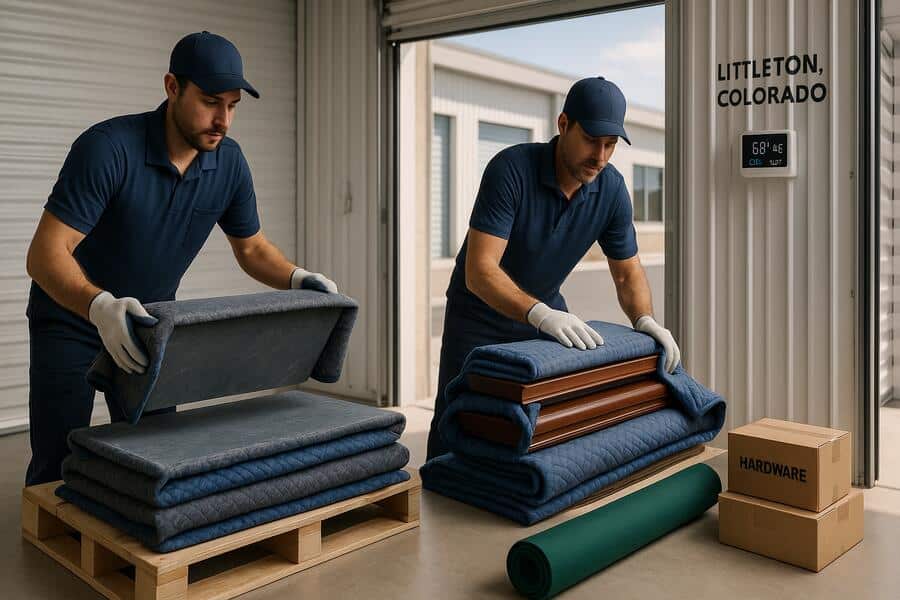
- Use Padding: Lay down soft padding (moving blankets, thick cardboard, or foam sheets) between each slate piece and between the bottom slate and the support surface. This protects against scratches and absorbs minor impacts.
- Secure and Protect: Once stacked and padded, the slate should be covered to protect it from dust, dirt, and moisture. Stretch wrap or heavy-duty plastic sheeting can be used. Ensure it’s not exposed to direct sunlight or extreme temperature fluctuations.
💡 Key Takeaway: Proper “pool table storage” begins with mandatory professional disassembly to protect delicate components. The heaviest and most fragile part, the slate, must always be stored flat on a perfectly level, fully supported surface with ample padding between pieces. Never store “storing slate” on its edge or side, as this will lead to irreparable damage.
Protecting Other Components and Climate Considerations
3. Protecting Rails, Pockets, and Felt
While the slate is critical, the other components also require careful “pool table storage” consideration.
- Rails: The rails, with their integrated cushions, are susceptible to warping or damage. Store them flat or on their side, ensuring the cushions are not compressed or exposed to direct pressure. Wrap them in blankets to protect the wood and felt.
- Pockets: Leather or plastic pockets can become brittle or crack if exposed to extreme temperatures. Store them carefully, ideally in a box with padding, ensuring they maintain their shape and are not crushed.
- Felt: If the felt was removed and is to be reused, it should be rolled carefully (never folded) and placed in a protective tube or box. Store it in a dry, climate-controlled environment to prevent creasing, mildew, or damage from pests. If replacing the felt is an option, you can discard the old felt during disassembly.
- Frame and Legs: These wooden components are less delicate but still require protection. Wrap them in moving blankets to prevent scratches and dings. Store them in a way that prevents warping, ideally stacked flat or leaning securely against a wall. Keep all hardware securely bagged and labeled.
4. The Importance of Climate Control
The environment where you choose for “how to store a pool table” has a profound impact on its longevity.
- Temperature and Humidity Fluctuations: Wood is highly sensitive to changes in temperature and humidity. Extreme fluctuations can cause the wood components (frame, rails, legs) to expand, contract, warp, or crack. High humidity can lead to mildew on felt and wood, while very dry conditions can cause wood to splinter.
- Climate-Controlled Storage: A climate-controlled storage unit is the ideal environment for “pool table storage.” This maintains a consistent temperature and humidity level, protecting all components from environmental damage.
- Avoid Garages, Basements, and Attics: These areas are typically prone to significant temperature and humidity swings and are often susceptible to pests, making them unsuitable for long-term pool table storage.
- Pest Control: A clean, climate-controlled environment also helps deter pests like rodents and insects that can damage felt, wood, and other materials.
Pool Table Storage Checklist
| Component | Storage Method | Protection Notes |
|---|---|---|
| Slate | Store flat on a level, fully supported surface. | Pad between pieces. Never on edge/side. Cover for dust/moisture. |
| Rails | Store flat or on side, cushions uncompressed. | Wrap in blankets to protect wood and felt cushions. |
| Pockets | Boxed with padding, maintaining shape. | Protect from crushing, extreme temps. |
| Felt | Rolled (never folded), placed in protective tube/box. | Store in dry, climate-controlled space. (Consider replacing if old). |
| Frame/Legs | Wrapped in blankets, stored flat or securely against wall. | Prevent scratches/warping. Keep hardware labeled and secure. |
| Environment | Climate-controlled storage unit. | Avoid garages, basements, attics due to temp/humidity swings and pests. |
💡 Key Takeaway: For effective “pool table storage,” protect rails from compression, pockets from brittleness, and felt from creasing or mildew by rolling it. Crucially, store all components in a climate-controlled environment to prevent damage from temperature and humidity fluctuations, avoiding unsuitable areas like garages or basements, which are prone to environmental shifts and pests.
Conclusion
Storing a pool table safely is a process that demands respect for its intricate construction and delicate materials. From the mandatory professional disassembly to the precise method for “storing slate” flat and fully supported, every step is crucial for preserving your table’s condition. Protecting the rails, pockets, and felt, along with choosing a climate-controlled environment, safeguards against warping, cracking, and deterioration. By adhering to this comprehensive guide on “how to store a pool table,” you can ensure your beloved game table remains in pristine condition, ready for many more years of enjoyment when it’s time for reassembly.
Have questions about how to how to store a pool table? Reach out to our team today.
Frequently Asked Questions About How To Store A Pool Table Safely
Is professional disassembly necessary “how to store a pool table”?
Yes, professional disassembly is absolutely necessary “how to store a pool table” safely. Pool tables are not designed to be moved or stored fully assembled. Attempting to do so risks cracking the heavy slate, warping the frame, and damaging other delicate components. A professional technician will correctly take apart the table, label all parts, and ensure everything is properly packed for storage.
What is the most critical rule for “storing slate”?
The most critical rule for “storing slate” is to always store it perfectly flat and fully supported. Slate pieces must never be stored on their sides or edges, as they can easily warp, crack, or break under their own weight. Place them on a sturdy, level surface (like a pallet) with padding between each piece to protect against scratches and impacts.
What kind of environment is best for “pool table storage”?
A climate-controlled storage unit is the best environment for “pool table storage.” This ensures consistent temperature and humidity levels, which are vital for protecting the wood components (frame, rails, legs) from warping, cracking, or developing mildew. Avoid non-climate-controlled spaces like garages, basements, or attics, as they are prone to significant environmental fluctuations and pests.
How should I protect the rails and pockets during “pool table storage”?
To protect the rails, wrap them in moving blankets and store them flat or on their side, ensuring the cushions are not compressed by anything. For pockets, place them in a box with padding, taking care not to crush them or expose them to extreme temperatures that could make them brittle. If the felt is to be reused, roll it (don’t fold) and store it in a protective tube in a climate-controlled area.

