Moving heavy furniture is one of the most challenging aspects of any relocation. Beyond the physical strain, there’s the constant worry of scratching hardwood floors, gouging walls, or damaging the furniture itself. Learning strategies for “moving heavy furniture” safely and efficiently is paramount to protecting both your belongings and your home.
Whether you’re relocating across town or simply rearranging a room, proper planning and the right tools make all the difference. This guide will walk you through essential “heavy furniture moving tips,” covering everything from specialized equipment like furniture sliders and lifting straps to critical techniques like blanket wrapping and meticulous route planning. By implementing these methods, you can significantly reduce the risk of damage, making the process smoother for you and your furniture movers.
💡 Key Takeaway: Moving heavy furniture requires strategic planning and appropriate tools to prevent damage to floors, walls, and the furniture itself.
Strategic Planning and Preparation
1. Map Your Route and Measure Everything
Before you even think about lifting, a thorough reconnaissance of your space is essential. This initial planning stage is crucial for identifying potential bottlenecks and hazards.
- Clear the Path: Walk the entire route that the furniture will travel, from its starting point to the moving truck. Remove all obstacles: rugs, loose cords, small furniture, wall hangings, and decor. Clear enough space so movers have ample room to maneuver without tripping or bumping into anything.
- Measure Doorways and Hallways: Use a tape measure to determine the width and height of all doorways, hallways, and stairwells. Compare these measurements to the widest and tallest points of your furniture. If a piece of furniture is too wide or tall, plan to remove doors from their hinges or even temporarily remove handrails if necessary.
- Identify Pivot Points: Note any tight turns, narrow corners, or areas where the furniture might need to be tilted or pivoted. Plan these movements in advance.
- Protect Sensitive Surfaces: Take photos of any existing marks or damage on walls, floors, or furniture before moving begins, for your records.
2. Protect Your Home’s Surfaces
Prevention is key when it comes to safeguarding your floors and walls from scratches, scuffs, and gouges.
- Floor Protection:
- High-Traffic Paths: Lay down heavy-duty floor coverings like Ram Board, corrugated cardboard, or moving blankets along any high-traffic paths, especially over hardwood, tile, or sensitive carpet. Secure edges with painter’s tape to prevent tripping.
- Clean Floors: Sweep or vacuum floors thoroughly before laying protection. Even small pieces of grit can get trapped under furniture sliders or movers’ shoes and cause scratches.
- Wall and Doorway Protection:
- Corner Guards: Use cardboard corner protectors or moving blankets secured with painter’s tape on wall corners, doorframes, and banisters that are likely to be impacted.
- Door Jam Covers: These padded covers slip over door frames, offering excellent protection during tight squeezes.
💡 Key Takeaway: Thorough route planning and comprehensive surface protection for floors, walls, and doorframes are essential first steps to prevent damage when moving heavy items.
Essential Tools and Techniques
3. Utilize Furniture Sliders and Dollies
These tools are game-changers for moving heavy items by reducing friction and providing mobility.
- Furniture Sliders:
- Types: Use hard plastic sliders for carpeted floors and soft felt-bottom sliders for hardwood, tile, and laminate floors.
- Placement: Carefully lift each corner or leg of the furniture and place a slider underneath, ensuring it’s centered. This allows you to glide even the heaviest pieces with relative ease.
- Furniture Dollies:
- Utility Dollies: These flat, wheeled platforms are perfect for moving boxes or items with a flat base.
- Appliance Dollies (Hand Trucks): With sturdy straps and a taller frame, these are indispensable for moving refrigerators, washing machines, or other tall, heavy items. Always use the straps to secure the item firmly to the dolly before tilting and moving.
“Furniture sliders” are a simple, yet highly effective tool for protecting your floors during a move.
4. Employ Lifting Straps and Moving Blankets
Proper lifting techniques and protective wrapping are crucial for both safety and preventing damage.
- Lifting Straps: These ergonomic straps allow you to use leverage and the strength of your legs, rather than your back, to lift heavy objects. They distribute weight more evenly between two people, reducing strain and making heavy items feel lighter.
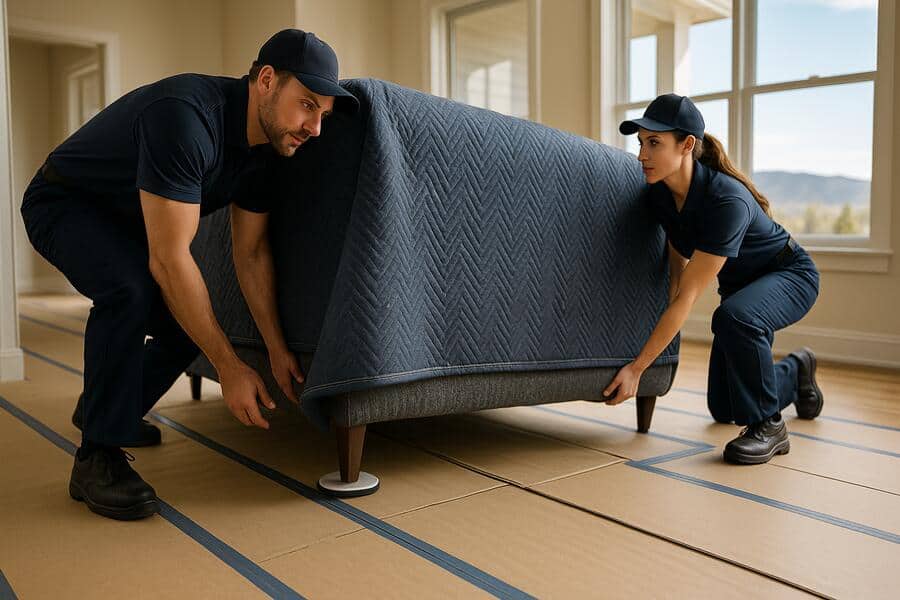
- Moving Blankets/Pads: These thick, durable blankets are your first line of defense against scratches, dents, and dings to your furniture.
- Wrapping Furniture: Completely wrap each piece of furniture, especially corners and edges, with moving blankets. Secure them tightly with packing tape or shrink wrap. This protects the furniture itself and adds a layer of cushioning against accidental wall impacts.
- Layered Protection: For particularly delicate items or sharp edges, consider layering bubble wrap under the moving blankets.
Heavy Furniture Moving Checklist & Tools
| Item/Tool | Purpose | Best Use Case |
|---|---|---|
| Furniture Sliders | Reduce friction, enable gliding | Moving items across floors (carpet/hardwood) |
| Furniture Dollies | Wheeled transport for heavy items | Moving large boxes, heavy appliances, dressers |
| Lifting Straps | Aid in ergonomic lifting, distribute weight | Lifting heavy, awkward furniture (e.g., sofas, armoires) |
| Moving Blankets/Pads | Protect furniture from scratches/dents | Wrapping all furniture, especially corners and edges |
| Floor Coverings (Ram Board, etc.) | Protect floors from scuffs, impacts | Laying continuous path on sensitive flooring |
💡 Key Takeaway: Tools like furniture sliders and dollies enable easy movement, while lifting straps protect your back, and moving blankets safeguard furniture from impact damage.
Conclusion
Successfully “moving heavy furniture” without damaging your walls or floors is achievable with careful planning, the right tools, and proper technique. From meticulously mapping your route and protecting surfaces with durable coverings to leveraging the power of furniture sliders, dollies, and lifting straps, each step contributes to a safer, more efficient move. Remember, don’t hesitate to ask for help or consider professional movers for particularly challenging items. Prioritizing safety and protection ensures that both your cherished belongings and your home arrive at the destination in pristine condition.
Have questions about how to moving heavy furniture? Reach out to our team today.
Frequently Asked Questions About Moving Heavy Furniture
What type of furniture slider should I use for hardwood floors?
For hardwood, laminate, or tile floors, always use furniture sliders with a soft felt bottom. Hard plastic sliders are designed for carpet and can scratch or damage hard surfaces. Ensure the felt is clean before use to avoid trapping grit that could cause scratches.
Can I use a hand truck (appliance dolly) for all heavy furniture?
Hand trucks are excellent for tall, heavy, and relatively flat-sided items like refrigerators, washers, dryers, and tall dressers. They are not ideal for all furniture. For wide, bulky items like sofas or odd-shaped pieces, a flat furniture dolly or a combination of lifting straps might be more appropriate. Always use straps to secure the item to the hand truck.
Is it better to disassemble large furniture before moving?
Generally, yes. Disassembling large items like bed frames, dining tables, and large shelving units not only makes them easier to carry and maneuver but also reduces their overall bulk and weight, lessening the risk of damage to the item or your home. Keep all hardware organized in a labeled bag.
How can I protect my carpets from heavy furniture?
For carpets, hard plastic furniture sliders work well to glide items across. Additionally, lay down heavy-duty carpet film (self-adhesive plastic runners) or Ram Board along high-traffic pathways. This prevents dirt and debris from being tracked in and protects the carpet from compression marks or tears under heavy loads.