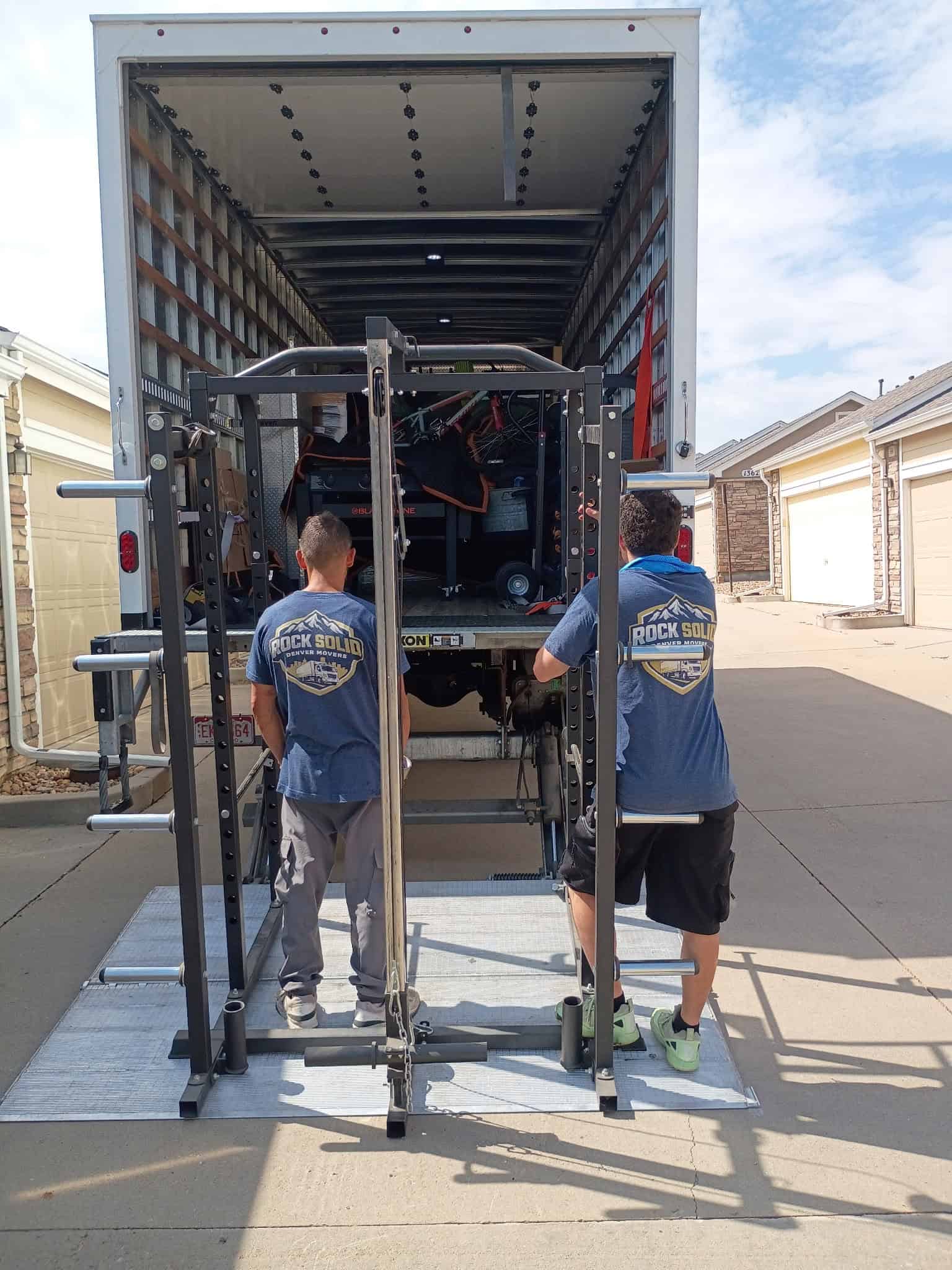
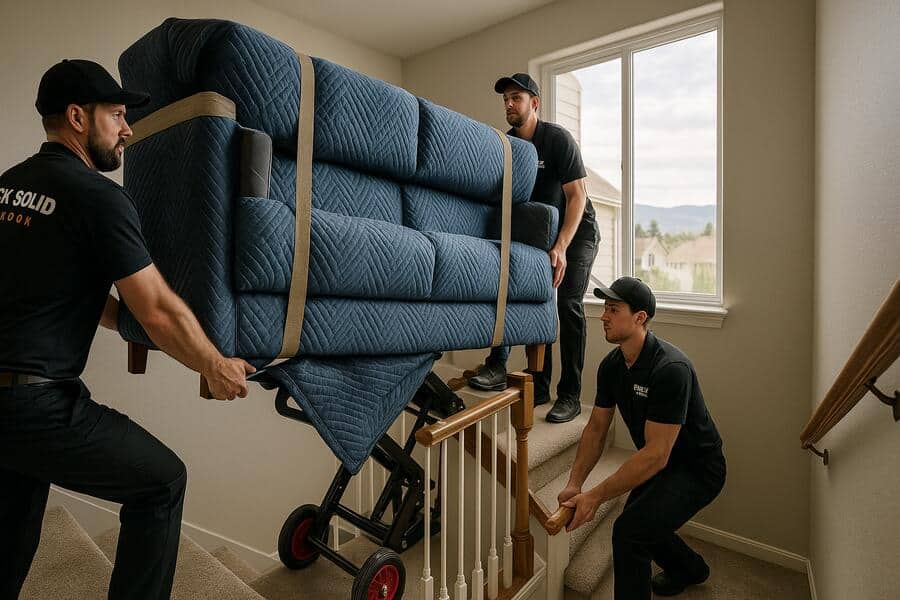
Moving into a walk-up apartment or a home with multiple floors and no elevator presents a distinct set of challenges that can significantly alter your moving strategy. It’s not just about getting items from point A to point B; it’s about navigating vertical obstacles that require careful planning, specialized techniques, and often, more manpower. For anyone “moving to a walk up apartment,” understanding how stairs impact the process is critical.
The presence of stairs transforms a standard move into a “stair carry moving” operation, demanding more time, effort, and consideration for the safety of your belongings and the moving crew. From bulky sofas to heavy appliances, every item needs to be assessed for its ability to traverse each flight. This guide will walk you through how stairs change the moving plan, how to measure ahead of time, and what to expect when hiring professional apartment movers for a multi-story home.
💡 Key Takeaway: Moving to a walk-up apartment requires careful pre-planning and preparation, as stairs significantly impact crew size, timing, and the need for furniture disassembly.
The Impact of Stairs on Your Moving Plan
Increased Crew Size and Labor Time
The most immediate effect of stairs on your move plan is the need for additional labor. What might typically take two movers on a ground-level home could easily require three or four for a walk-up apartment, especially with heavy or awkward items. Stair carries are physically demanding and inherently slower:
- More Movers, More Cost: While adding a mover increases the hourly rate, it can often save time (and thus overall cost) by making the process more efficient and safer for heavy items. It’s an investment in speed and damage prevention.
- Slower Pace: Each flight of stairs adds time. Movers must navigate one step at a time, often re-positioning, resting, and communicating every few steps, especially with fragile or bulky furniture. This significantly increases the total labor hours compared to an elevator or ground-level move.
- Safety First: The risk of injury to movers and damage to items or property increases on stairs. Professionals prioritize safety, which means a slower, more deliberate pace.
When getting quotes, always disclose the exact number of flights of stairs at both pickup and delivery locations to ensure accurate pricing and appropriate crew allocation.
Furniture Disassembly and Special Equipment
Stairs often necessitate strategic disassembly of furniture and the use of specialized equipment to get items through tight spaces or around turns:
- Disassembly for Clearance: Items that would typically remain assembled might need to be taken apart. This includes bed frames, dining tables with removable legs, and even some large dressers or shelving units. Movers assess this on-site, but discussing it beforehand can save time.
- Specialized Dollies and Straps: While a standard hand truck works for boxes, heavy-duty appliance dollies, piano skids, or specialized stair-climbing dollies are essential for heavier items on stairs. Strong moving straps are used to secure items and provide better grip for movers.
- Padding and Protection: Expect extensive use of moving blankets, shrink wrap, and floor runners to protect both your furniture and the apartment’s walls, railings, and floors during stair carries.
Measuring your furniture and the stairwell dimensions beforehand can give you a good idea of what might need to be disassembled.
💡 Key Takeaway: Stairs typically require a larger moving crew and can necessitate furniture disassembly and specialized equipment, all of which contribute to the overall time and cost of the move.
Pre-Moving Day: How to Measure Stairwells and Turns
Accurate measurements are your best friend when moving up stairs. This proactive step can prevent costly delays, damage, and the frustration of discovering a piece won’t fit. Here’s how to measure:
- Measure Your Furniture: For each large or bulky item, measure its height, width, and depth. Crucially, also measure the diagonal from corner to corner across its longest face (e.g., top-left to bottom-right of a dresser front). This diagonal measurement often determines if an item can be angled around a tight turn.
- Measure Stairwell Width: Measure the width of the stairwell between the walls or handrails. Do not forget to account for any protruding handrails or light fixtures.
- Measure Overhead Clearance: Measure the height from the stair treads to the ceiling above, especially at any landings or where the stairs turn.
- Measure Landings: For any turns in the staircase, measure the depth and width of the landing platform. The furniture’s longest side must be shorter than the landing’s diagonal for it to make the turn.
- Measure Doorways and Hallways: Don’t forget to measure all doorways and hallways leading to and from the stairwell. A piece that clears the stairs can still get stuck at a door frame.
Walk the entire path from start to finish with these numbers in mind, visualizing how each large item will move. Remove any rugs, shoes, or decor from the path before moving day.
Stair Carry Moving Checklist
| Task | Why It Matters | Pre-Move Action |
|---|---|---|
| Measure Furniture | Determine what fits, identify disassembly needs. | Height, Width, Depth, *Diagonal* of largest face. |
| Measure Stairwell | Ensure clearance, identify tight spots, plan route. | Width (between rails), Overhead Clearance, Landing Dimensions. |
| Clear Path | Prevent trips, falls, and damage. | Remove rugs, shoes, decor, furniture from stairwell & hallways. |
| Communicate with Movers | Ensure accurate quote & appropriate crew/equipment. | Detail number of flights, tight turns, largest items. |
💡 Key Takeaway: Thoroughly measuring furniture and the entire access path, especially stairwells and landings, is critical to avoid surprises and ensure a smoother move.
Conclusion
Moving into a walk-up apartment or a multi-story home without elevator access demands a meticulous approach to planning. Stairs aren’t just an inconvenience; they are a central factor that influences the crew size, the time required, and the need for furniture disassembly and specialized equipment. By proactively measuring your furniture and the stairwells, clearing pathways, and openly communicating with your movers about the challenges, you can significantly streamline your “stair carry moving” experience. This careful preparation ensures a safer, more efficient, and ultimately less stressful relocation for everyone involved.
Have questions about how moving to a walk up apartment? Reach out to our team today.
Frequently Asked Questions About Moving Up Stairs
Do movers charge extra for stairs?
On hourly local moves, stairs typically add to the overall labor time, which increases the total cost. Some flat-rate or long-distance movers might include explicit “stair carry” surcharges per flight or per heavy item. Always ask for clarification on how stairs affect your quote.
What kind of items are most challenging to move up stairs?
The most challenging items are usually those that are both heavy and bulky, or have rigid, awkward shapes. This includes grand pianos, large gun safes, oversized sofas, heavy appliances (refrigerators, washers/dryers), and very large dressers or armoires. Items that can’t be disassembled also pose a greater challenge.
Should I disassemble furniture before the movers arrive?
For items you know will need disassembly (like bed frames, modular shelving units), it can save time on moving day to do it yourself, provided you’re comfortable and organized. However, for complex pieces or items that might need professional judgment for disassembly (like grand pianos), it’s best to leave it to your professional movers to ensure proper handling and reassembly.
How can I protect my stairs and walls during a move?
Professional movers typically use heavy-duty moving blankets, cardboard, and floor runners to protect surfaces. You can also lay down self-adhesive plastic film on carpets or cardboard on hard floors. Consider using corner guards on walls and banisters, especially at tight turns, to prevent scrapes and dents.