
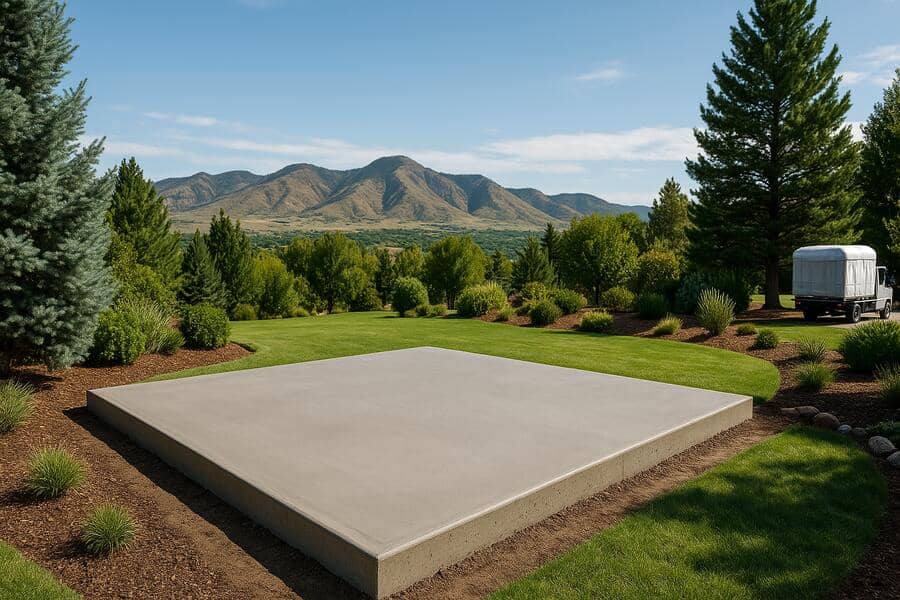
The excitement of getting a new hot tub is palpable, but before you can soak your worries away, there’s a critical step that often goes overlooked: “hot tub base preparation.” Many homeowners underestimate the sheer weight of a hot tub once it’s filled with water and people. A typical 7-foot hot tub can weigh upwards of 3,000 to 5,000 pounds when full. Placing such a massive load on an unsuitable surface can lead to a host of problems, including structural damage to the tub, uneven water levels, cracks in the ground, and even safety hazards. A solid, level foundation isn’t just a recommendation; it’s an absolute necessity for the longevity and safe operation of your spa.
This guide will walk you through the essential aspects of “hot tub base preparation,” explaining why a robust foundation matters, exploring common “hot tub pad” and “hot tub foundation” options, and emphasizing the importance of having everything ready well before delivery day. Proper planning ensures that your new hot tub installation goes smoothly, protecting your investment and providing years of enjoyment. While this article focuses on the base, remember that the actual moving and placement of the tub itself is a specialized task, often handled by professional hot tub movers denver, who ensure it’s positioned correctly and safely.
💡 Key Takeaway: Proper “hot tub base preparation” is crucial due to the immense weight of a filled hot tub (3,000-5,000+ lbs). A solid, level, load-bearing “hot tub pad” or “hot tub foundation” is essential to prevent structural damage, ensure even water levels, and guarantee safe operation. This preparation must be completed before delivery day.
Understanding the Importance of a Proper Hot Tub Foundation
1. Why a Level, Load-Bearing Base Matters So Much
You might think a patch of grass or an existing patio is sufficient, but for “hot tub base preparation,” that’s rarely the case. Here’s why:
- Extreme Weight Distribution: A hot tub filled with water and bathers creates a tremendous downward force. For example, a hot tub can exert a floor load of around 115 lbs per square foot. Your base needs to exceed this, ideally having a minimum capacity of 125 lbs per square foot. Without proper support, the weight can cause the ground to shift, leading to costly problems.
- Structural Integrity of the Hot Tub: Hot tub shells are designed to sit on a uniformly supported, flat surface. An uneven base can place undue stress on the shell, frame, and plumbing. This can lead to cracking, leaks, and damage to jets or other components, often voiding the manufacturer’s warranty.
- Safety: An unstable or unleveled hot tub poses a significant safety risk. It could tip, especially if people are entering or exiting, or if the weight is unevenly distributed. Leveling also impacts the hot tub steps and overall accessibility.
- Operational Efficiency: A hot tub that isn’t perfectly level won’t circulate water efficiently, and its filtration and heating systems might not function optimally. Water levels will appear uneven, and covers might not seal properly, leading to energy loss.
- Drainage: A well-planned base should also consider drainage to prevent water pooling around the tub, which can lead to algae growth, insect issues, and wear on the hot tub’s skirt.
2. Common Hot Tub Base Options: Pros and Cons
When considering your “hot tub foundation,” you have several proven options, each with its own benefits and considerations.
- Concrete Slab:
- Pros: The gold standard for “hot tub base preparation.” Extremely durable, permanent, perfectly level, and can handle immense weight. Ideal for heavy spas and long-term placement.
- Cons: Most expensive and labor-intensive option. Requires professional installation, permits (often), and significant time for curing.
- Reinforced Decking:
- Pros: Aesthetically integrated with existing outdoor living space. Can be very sturdy if properly engineered.
- Cons: Requires professional assessment and reinforcement to ensure it can support the weight. Not all decks can handle it, and it can be costly to upgrade.
- Pre-Fab Hot Tub Pads (Plastic/Composite):
- Pros: Relatively inexpensive, easy to install (DIY-friendly), good for temporary or rental situations, provides good drainage.
- Cons: Requires a perfectly level, compacted gravel or crushed rock base underneath to ensure even support. Not suitable for placement directly on grass or uneven ground.
- Crushed Gravel or Paver Base:
- Pros: More affordable than concrete, good drainage, can be DIY-friendly with careful preparation.
- Cons: Requires meticulous leveling and compaction. Needs a perimeter frame (e.g., pressure-treated lumber) to retain the gravel. Can shift over time if not properly installed.
💡 Key Takeaway: A level, load-bearing “hot tub foundation” is non-negotiable for safety, structural integrity, and efficient operation due to the enormous weight of a filled tub. Popular options for “hot tub base preparation” include durable concrete slabs, reinforced decking, easy-install pre-fab pads (on a level sub-base), or cost-effective crushed gravel/paver bases, each requiring careful attention to leveling and weight capacity.
Execution: Having Your Base Ready for Delivery
3. Ensuring Your “Hot Tub Pad” is Ready On Time
The “hot tub base preparation” needs to be completed and cured well in advance of your hot tub’s arrival.
- Plan Ahead: Start your base construction project weeks, or even months, before your expected hot tub delivery date. Concrete, especially, needs time to fully cure (typically 7-28 days depending on mix and conditions).
- Coordinate with Your Supplier: Discuss your chosen “hot tub pad” with your hot tub dealer or installer. They may have specific recommendations or requirements based on the model you’ve purchased.
- Clear the Delivery Path: Beyond the base, ensure the entire delivery path from the street to the final placement site is clear of obstacles. This includes gates, fences, low-hanging branches, steps, and any other obstructions. Hot tubs are often moved on specialized dollies or lifted with cranes, and clear access is essential.
- Electrical Requirements: Remember that “hot tub base preparation” is just one part of the equation. You’ll also need to have a licensed electrician install the dedicated electrical circuit for your hot tub, ensuring it’s ready for connection on delivery day. The main power conduit should terminate near the hot tub’s designated electrical hookup point, according to local codes.
Conclusion
“Hot tub base preparation” is a foundational step—literally—for a successful and long-lasting hot tub ownership experience. The integrity of your “hot tub pad” or “hot tub foundation” directly impacts the safety, performance, and durability of your spa. By understanding the immense weight involved, choosing an appropriate and properly constructed base, and ensuring it’s fully ready before delivery day, you protect your investment and lay the groundwork for years of relaxing enjoyment. Don’t underestimate this crucial initial phase; it sets the stage for everything that follows.
Have questions about how to hot tub base preparation? Reach out to our team today.
Frequently Asked Questions About Preparing a Base or Pad Before Hot Tub Delivery
Why is a solid, level base so important for “hot tub base preparation”?
A solid, level base is crucial for “hot tub base preparation” because a filled hot tub is incredibly heavy, often weighing thousands of pounds. An uneven or unstable base can cause undue stress on the hot tub’s shell and frame, leading to cracks, leaks, and potential structural damage. It also ensures proper water circulation, heating efficiency, and safe entry/exit, preventing the tub from tipping or shifting.
What are the most common and recommended “hot tub foundation” options?
The most common and recommended “hot tub foundation” options include a poured concrete slab (considered the most durable and permanent solution), a properly reinforced wooden deck (requiring professional assessment), and a compacted gravel or crushed rock base topped with a pre-fabricated “hot tub pad” or pavers. Each option offers excellent support when installed correctly.
Can I just put my hot tub on grass or dirt if it’s mostly level?
No, you should never place your hot tub directly on grass or bare dirt, even if it appears level. Grass and dirt will shift and settle under the immense weight of a filled hot tub, leading to an uneven surface. This can cause severe damage to the hot tub’s shell, plumbing, and frame, often voiding the warranty. Proper “hot tub base preparation” requires a stable, compacted material that can withstand the weight.
How far in advance should my “hot tub pad” be ready before the delivery day?
Your “hot tub pad” or base should be completely finished and, if concrete, fully cured well in advance of your hot tub delivery day. For a concrete slab, this could mean several weeks (e.g., 7-28 days) for full curing. This ensures the base is stable, settled, and ready to bear the heavy load without any issues or delays on the day of delivery.

