
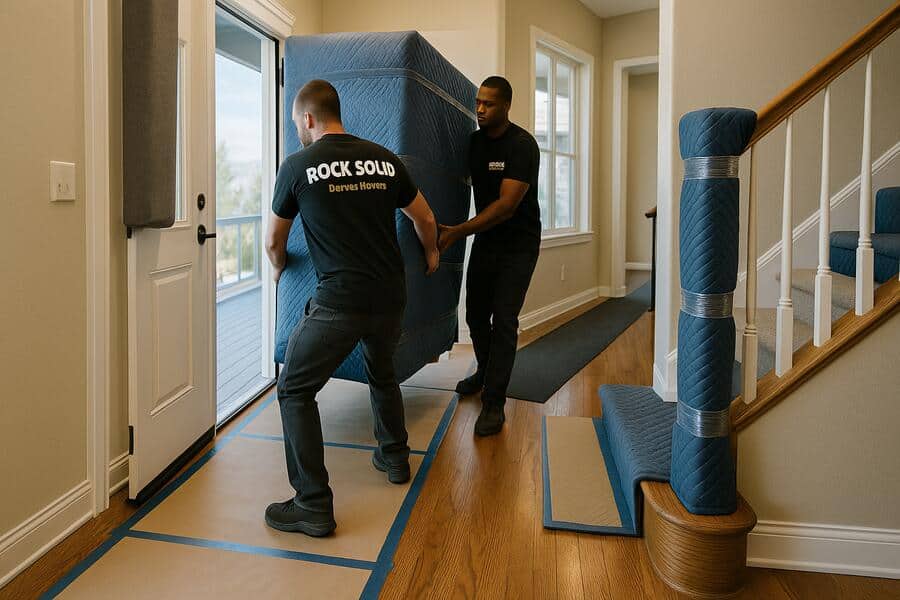
The anticipation of moving day often overshadows the critical need to protect your home’s existing structure. While packing boxes and organizing logistics take center stage, overlooking proper protection for your floors, stairs, and door frames can lead to costly and frustrating damage. Scratched hardwood, chipped tiles, scuffed paint on door jambs, and gouged banisters are common casualties of a move where adequate precautions weren’t taken. It’s not just about getting items out the door; it’s about preserving the condition of your home, both old and new. “Protect floors during move” isn’t merely a suggestion; it’s an essential part of a successful relocation.
This guide will detail the essential strategies and materials used by professionals to “protect floors during move,” stairs, and door frames. We’ll explore the benefits of various “floor protection moving” products like heavy-duty floor runners and rigid Masonite sheets, as well as specialized items such as “door jamb protection” pads and banister wraps. Understanding how professional movers strategically route heavy items to minimize risk and what questions homeowners should ask about their protection plan can make a significant difference. By learning these techniques, you’ll be better equipped to safeguard your property and ensure a smoother, damage-free moving experience. To ensure the highest level of care for your home and belongings, we invite you to get a free quote from our expert team.
💡 Key Takeaway: Overlooking home protection during a move can result in costly damage to floors, stairs, and door frames. Implementing proper “floor protection moving” measures like heavy-duty runners and specialized pads is crucial. Understanding “how to protect floors during move” is key to a smooth, damage-free relocation.
Comprehensive Floor Protection Strategies
1. Guarding High-Traffic Pathways: Floor Runners and Rigid Protection
The first line of defense in “floor protection moving” is to cover the areas where movers will frequently traverse.
- Heavy-Duty Floor Runners: These are flexible plastic, rubber, or sometimes thin carpet mats rolled out along main hallways, entryways, and stairs. They are excellent for:
- Protecting against scuffs, dirt, and moisture: Especially important in adverse weather conditions.
- Providing traction: Reducing the risk of slips for movers, particularly when carrying heavy or bulky items.
- Impact resistance: Offering a buffer for minor drops or bumps.
Runners are often taped at seams (using painter’s tape on floors, never duct tape) to prevent sliding and create a continuous protective path.
- Rigid Protection with Masonite or Ram Board: For areas with heavy rolling loads (like appliance dollies) or where extreme weight distribution is needed (such as “moving a safe”), more rigid materials are essential for “protect floors during move.”
- Masonite Sheets (Hardboard): These thin (1/8-inch) sheets distribute weight across a wider area, preventing sub-floor crushing or damage to delicate tiles/stone. They offer impact resistance and a solid base for heavy equipment.
- Ram Board or X-Board: This is a heavy-duty, reinforced cardboard that comes in rolls. It’s thick enough to withstand significant foot traffic and light impacts, ideal for main hallways and high-traffic areas, especially over hardwood or tile.
These rigid materials are critical in entryways, long hallways, and any path where large appliances or furniture will be rolled.
2. Special Considerations for Different Floor Types
Effective “floor protection moving” means tailoring the method to the material.
- Hardwood/Engineered Wood: Use rigid protection like Ram Board or Masonite. Felt pads or sliders should always be used under furniture being slid, even with protection. Secure protective layers with breathable tape (e.g., painter’s tape) to avoid pulling off finish.
- Tiles/Stone: These surfaces are prone to chipping or cracking under heavy impact. Masonite or plywood sheets are essential to distribute weight and provide a tough barrier.
- Carpet: While carpets are more forgiving to impacts, they can get dirty, snagged, or stained. Plastic carpet protection film with adhesive backing offers excellent protection against dirt and spills. Heavy-duty fabric runners also work well.
- Staging Areas: Lay moving blankets or additional rigid protection in areas where heavy furniture will be temporarily placed or “staged” before loading. This prevents concentrated pressure points that can damage flooring.
💡 Key Takeaway: To “protect floors during move,” use heavy-duty floor runners in high-traffic areas for traction and protection against dirt/scuffs, and rigid materials like Masonite or Ram Board for heavy rolling loads and weight distribution. Tailor “floor protection moving” to your specific floor type, such as using rigid sheets for hardwood/tile and adhesive film for carpets, ensuring even staging areas are protected.
Protecting Vertical Structures: Stairs, Banisters, and Door Frames
3. Safeguarding Stairs and Banisters
Stairs are high-risk areas during any move, susceptible to both scuffs and structural damage.
- Stair Runners: Similar to floor runners, specialized stair runners (often with non-slip backing) are crucial for covering individual treads and risers. This prevents scratches and provides a secure footing for movers.
- Banister Wraps: Stair railings and banisters are highly vulnerable to scratches, dings, and scuffs from furniture being maneuvered. Professional movers wrap these in padded blankets, secured with stretch wrap, to create a protective barrier.
- Wall Protection on Stairwells: The walls alongside stairwells are often scraped by large items. Consider taping cardboard or thin sheets of Ram Board to these walls, particularly at turns, to prevent paint transfer or gouges.
- Strategic Routing: Professional movers are trained to assess the dimensions of items and the stairwell, planning the exact angle and rotation needed to carry furniture without scraping walls or banisters.
4. Door Frame Protection and Professional Routing
Doorways are inevitable pinch points, making “door jamb protection” essential.
- Door Jamb Protector Pads: These are specialized, often spring-loaded, padded protectors that clamp onto the door frame molding. They absorb impacts from furniture passing through, preventing chips, dents, and paint damage.
- Moving Blankets and Tape: If dedicated door jamb protectors aren’t available, thick moving blankets can be draped over door frames and secured with painter’s tape (never directly on the finish).
- Removal of Doors: For exceptionally large items, or in homes with narrow doorways, removing the door from its hinges is often the safest “floor protection moving” approach. This creates extra clearance and reduces the risk of damage to both the door and the furniture.
- Strategic Routing of Heavy Items: Professional movers have a keen eye for optimizing paths. They will:
- Walk through every room before a single item is moved to identify potential hazards and the best routes.
- Look for the widest doorways, fewest turns, and shortest distances.
- Communicate with each other to guide large items smoothly, ensuring no part scrapes against walls or frames.
- Use handling aids like shoulder straps or furniture sliders to lift and maneuver heavy pieces with precision, minimizing contact with surrounding surfaces.
Home Protection Checklist for Moving
| Area to Protect | Recommended Protection / “Floor Protection Moving” | Why It Matters / “How to Protect Floors During Move” |
|---|---|---|
| Floors (Hard) | Ram Board, Masonite, heavy-duty floor runners. | Prevents scratches, scuffs, chips, and crushing from heavy items. |
| Floors (Carpet) | Adhesive carpet film, heavy fabric runners. | Guards against dirt, spills, and snags. |
| Stairs | Specialized stair runners, moving blankets on treads. | Protects treads/risers, provides traction, minimizes scuffs. |
| Banisters/Railings | Padded blankets secured with stretch wrap. | Prevents scratches, dents, and paint damage from impacts. |
| Door Frames | Door jamb protector pads, padded blankets, door removal. | Avoids chips, dents, and paint damage at tight entry points. |
| Walls (at turns) | Cardboard, Ram Board taped to vulnerable sections. | Prevents scrapes, scuffs, and paint transfer from large items. |
💡 Key Takeaway: Protecting vertical structures is as critical as “floor protection moving.” For stairs, use specialized runners and wrap banisters in padded blankets. “Door jamb protection” pads or draped blankets are vital for doorways, and removing doors can prevent damage to both the door frame and large furniture. Professional movers excel at strategic routing and using proper handling aids to minimize contact and protect your home during the move.
Conclusion
Ensuring the comprehensive protection of your floors, stairs, and door frames is an indispensable aspect of any successful move. From deploying heavy-duty floor runners and rigid Masonite to securing door jamb protector pads and wrapping banisters, proactive measures are key to preventing costly damages. Understanding “how to protect floors during move” and the specific strategies professionals employ for “floor protection moving” can empower you as a homeowner. By investing in proper “door jamb protection” and allowing movers to strategically route heavy items, you safeguard your property’s value and significantly reduce the stress associated with potential mishaps. A well-protected home ensures that your focus remains on settling into your new space, not on repair bills.
Have questions about how to protect floors during move? Reach out to our team today.
Frequently Asked Questions About Protecting Floors, Stairs, And Door Frames During A Move
What is the best way to “protect floors during move” for hardwood?
For hardwood floors, the best way to “protect floors during move” is to use rigid materials like Ram Board or Masonite sheets along high-traffic pathways. These distribute weight and prevent scratches. Supplement this with heavy-duty floor runners for dirt and scuff protection, and always use felt pads or sliders under furniture. Secure any protection with painter’s tape, not stronger adhesives.
How do movers prevent damage to door frames?
Movers prevent damage to door frames through “door jamb protection.” This typically involves using specialized, padded door jamb protector pads that clamp onto the frame to absorb impacts. Alternatively, they might drape thick moving blankets over the frames, secured with painter’s tape. For extremely large items, removing the door from its hinges is often the safest way to provide maximum clearance and prevent damage.
Are stairs protected differently than flat floors for “floor protection moving”?
Yes, stairs require specific “floor protection moving” strategies. Specialized stair runners with non-slip backing are used to cover treads and risers, preventing scratches and providing secure footing. Additionally, banisters and railings are wrapped in padded blankets and secured with stretch wrap to protect them from impacts as large furniture is maneuvered up or down.
What should I ask my movers about their “floor protection moving” plan?
Before your move, you should ask your movers about their specific “floor protection moving” plan. Inquire what materials they use (e.g., Ram Board, Masonite, floor runners, door jamb protectors), how they protect stairs and banisters, and how they plan to route heavy items through your home. This ensures you understand their procedures for “how to protect floors during move” and that your property will be adequately safeguarded.

