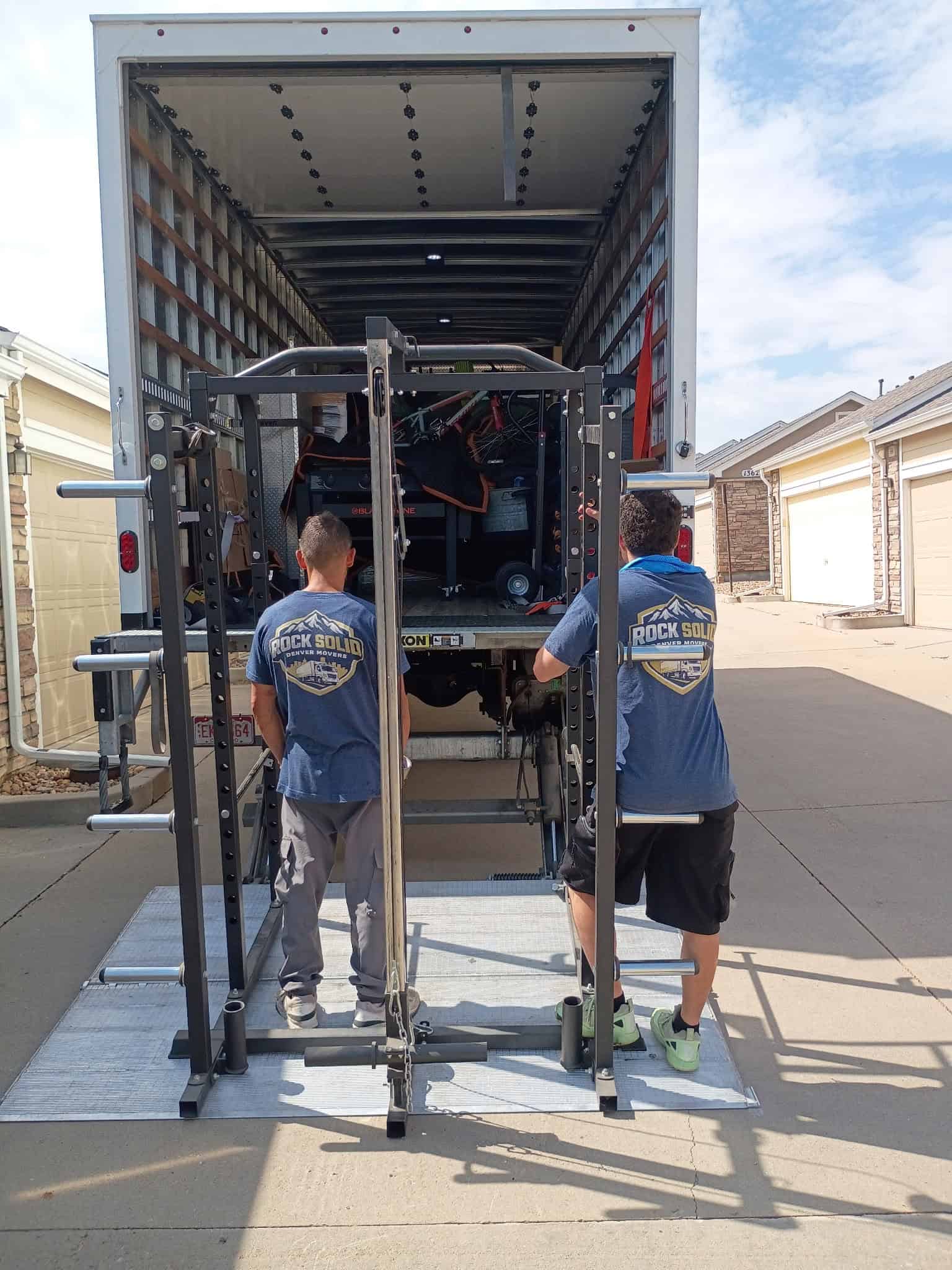

Moving can be a stressful time, and the last thing anyone needs is to fall victim to a moving scam. Unfortunately, unscrupulous operators prey on individuals eager to find affordable and efficient relocation services. Knowing the “moving company red flags” can save you from financial loss, damaged belongings, and immense heartache.
The Better Business Bureau (BBB) and the Federal Trade Commission (FTC) consistently report various “moving scams” annually, ranging from price gouging to outright theft. This guide will equip you with the knowledge to “how to spot a fake moving company” by identifying common warning signs, ensuring you choose a reputable and trustworthy mover for your next relocation, whether it’s for local moving services or a longer haul.
💡 Key Takeaway: Be vigilant against moving scams, which can lead to financial loss and damaged belongings. Knowing the red flags is your best defense.
Financial Red Flags and Shady Practices
1. Demands for Large Upfront Deposits or Cash
One of the most common and significant “moving company red flags” involves payment methods, particularly deposits.
- Large Deposits: A legitimate moving company will rarely ask for a deposit exceeding 20-30% of the total estimated cost. Scammers, however, often demand 50% or even 100% upfront. Once they have a large deposit, they might not show up, or they might hold your belongings hostage for more money.
- Cash-Only Payments: Be extremely wary of movers who insist on cash payments, especially before the move begins or at delivery. Legitimate companies typically accept credit cards, checks, or other traceable forms of payment. Cash transactions leave no paper trail, making it difficult to dispute charges or recover funds.
- Pressure for Immediate Payment: Any mover that pressures you for immediate payment or tries to rush you through financial discussions should raise a red flag.
2. Low-Ball Estimates and No In-Person Survey
Deceptive pricing is a hallmark of many “moving scams.”
- Unrealistically Low Quotes: If an estimate seems too good to be true compared to others you’ve received, it probably is. Scammers use “low-ball” prices to hook customers, only to inflate the cost dramatically later.
- Estimates Without a Visual Survey: For any significant move, especially an interstate one, a reputable mover will insist on an in-person or video walkthrough of your home to assess your belongings. Giving a binding estimate over the phone without seeing your inventory is a huge red flag. Without an accurate inventory, the mover can claim the actual load was larger than estimated, leading to a massive upcharge.
- Pressure to Sign Blank Paperwork: Never, under any circumstances, sign blank or incomplete documents. A scammer might pressure you to sign a blank binding estimate, which they then fill in with inflated charges after your belongings are loaded. Always ensure all terms, conditions, and prices are clearly stated in writing before signing.
💡 Key Takeaway: Be cautious of movers demanding large upfront deposits (especially cash), offering unrealistically low quotes without a visual survey, or pressuring you to sign blank or incomplete documents.
Operational and Communication Red Flags
3. Lack of Professionalism and Transparency
“How to spot a fake moving company” often comes down to their overall professionalism and transparency.
- No Physical Address or Unprofessional Website: A legitimate moving company will have a verifiable physical business address. Be suspicious if they only provide a P.O. Box or if their website is poorly designed, has grammatical errors, or lacks essential information like their USDOT number (for interstate movers) or state licensing information.
- Unmarked or Rental Trucks: Reputable movers typically operate a fleet of clearly marked, company-owned trucks. If movers arrive in an unmarked rental truck, especially for a long-distance move, this is a significant warning sign that they may not be a legitimate, established business.
- Poor Communication: While initial contact might be friendly, watch out for movers who become difficult to reach after you’ve paid a deposit. Unanswered calls, vague answers to direct questions, or a lack of clear contact information for customer service are all red flags.
- No Written Contract: Always insist on a detailed, written contract that outlines all services, costs, pickup and delivery dates, and liability coverage. A mover unwilling to provide a comprehensive contract is to be avoided.
4. Holding Belongings Hostage
Perhaps the most distressing “moving scam” involves a mover holding your possessions hostage.
- Sudden Price Hikes: After your belongings are loaded onto the truck, the mover might suddenly demand a much higher price than originally quoted, claiming the weight was underestimated or other fees apply. They will refuse to deliver your items until you pay the inflated amount.
- Demand for Cash at Delivery: Often, this hostage situation culminates in a demand for a large cash payment at your destination before they will unload your goods. Without cash, they threaten to drive off with your belongings.
- Delayed Delivery: Another tactic is to delay delivery indefinitely, using the delay as leverage to extract more money from you. Your belongings might arrive weeks or months late, often damaged.
Moving Company Vetting Checklist
| Checklist Item | Why It Matters |
|---|---|
| In-Person/Video Estimate | Ensures accurate pricing, avoids “low-ball” scams. |
| Written Binding Estimate | Guarantees price, minimizes hidden fees. |
| Verifiable Physical Address | Confirms legitimate business presence. |
| USDOT Number (Interstate) | Allows checking FMCSA licensing & safety record. |
| Company-Owned, Marked Trucks | Indicates professional, established operation. |
| Accepts Credit Cards (Not just cash) | Provides a traceable payment method. |
| Reasonable Deposit (0-30%) | Protects you from losing large sums upfront. |
| Clear Communication & Contract | Ensures transparency and outlines all terms. |
💡 Key Takeaway: Avoid movers with no physical address, unmarked trucks, poor communication, or those who present a contract that isn’t fully completed before you sign it. Beware of any situation where your belongings are held hostage for an unagreed payment.
Conclusion
Protecting yourself from “moving scams” requires diligence and awareness of the common “moving company red flags.” By being wary of large upfront cash demands, suspiciously low estimates without an in-person survey, a lack of transparency, and any pressure to sign incomplete documents, you can significantly reduce your risk. Always take the time to research a moving company thoroughly, compare multiple quotes, and ensure all agreements are clear, written, and fully understood before committing. Your peace of mind—and the safety of your belongings—depends on it.
Have questions about how to how to spot a fake moving company? Reach out to our team today.
Frequently Asked Questions About Moving Scams
What should I do if I suspect a moving company is a scam?
If you suspect a moving company is a scam, stop all communication with them immediately. Do not provide any more payments or personal information. Report them to the Better Business Bureau (BBB), the Federal Motor Carrier Safety Administration (FMCSA) if it’s an interstate move, and your state’s consumer protection agency or attorney general’s office. If your belongings have been taken hostage, contact local law enforcement.
Is it normal for a moving company to ask for a deposit?
Yes, it is normal for legitimate moving companies to ask for a deposit, but it should be a reasonable amount, typically between 10-30% of the total estimated cost. Be cautious of companies that demand a very large deposit (50% or more) or insist on cash-only deposits, as this is a common red flag for scams.
How can I verify if a moving company is legitimate?
For interstate movers, check their USDOT number on the FMCSA’s website to verify their registration and safety record. For local movers, check with your state’s regulatory body. Look up the company on the Better Business Bureau website for ratings and customer reviews. Verify their physical address and confirm they have clearly marked, company-owned trucks.
What is a common “hostage” scam tactic?
A common hostage scam involves the movers loading your belongings and then demanding a significantly higher price (often double or triple the original quote) before they will deliver or unload your items. They may claim the weight was more than estimated or that additional services were performed. They typically demand immediate cash payment and will refuse to release your possessions until you pay the inflated amount.