
Moving a hot tub is no small feat. It involves heavy lifting, careful disconnection, and intricate transportation to ensure its integrity. But the journey doesn’t end when your hot tub arrives at its new location. The process of “hot tub startup after moving” requires methodical steps to ensure it operates safely and efficiently. Rushing this process or overlooking critical details can lead to leaks, electrical issues, or damage to the pump and heating elements. Simply plugging it in and filling it up might seem straightforward, but a successful “hot tub restart” involves more than just water and power. You’re essentially bringing a complex water system back to life, and doing it correctly prevents costly repairs and ensures years of enjoyment.
This guide will walk you through the essential steps for “hot tub startup after moving,” from inspecting for potential shipping damage to properly “refilling hot tub” water and balancing its chemistry. We’ll also emphasize the crucial role of a qualified electrician for safely reconnecting power, protecting your investment, and ensuring a safe bathing environment. Taking the time to follow these procedures will ensure your hot tub is ready for use, balanced, and running smoothly in its new home. For those who used professional hot tub movers, you’ve already made a smart move; now let’s ensure the restart is just as smooth.
💡 Key Takeaway: A successful “hot tub startup after moving” involves more than just plugging it in. Meticulous inspection for damage, proper “refilling hot tub” procedures, and expert electrical reconnection are crucial. Overlooking these steps can lead to leaks, electrical hazards, or system damage, making a methodical “hot tub restart” essential for safe and efficient operation.
Initial Checks and Power Reconnection
1. Inspecting for Shipping Damage and Proper Placement
Before any water or power is introduced, a thorough visual inspection is critical.
- External Inspection: Carefully check the hot tub shell, cabinet, and base for any cracks, dents, or scratches that might have occurred during transit. Pay close attention to corners and edges.
- Internal Inspection: Remove the access panels and inspect the plumbing, wiring, and equipment for any dislodged components, loose connections, or visible damage. Ensure all pipes and unions are securely fastened.
- Level Placement: Confirm the hot tub is placed on a solid, level surface capable of supporting its full weight when filled with water and bathers. An unlevel hot tub can put undue stress on the shell and components, leading to leaks or structural issues over time.
- Access for Maintenance: Ensure there’s adequate clearance around the hot tub’s equipment bay for future maintenance and repairs.
2. The Crucial Role of an Electrician for Power Reconnection
Electrical hookup is not a DIY task for hot tubs and should always be handled by a licensed professional.
- Safety First: Hot tubs require dedicated electrical circuits and, by code, often Ground Fault Circuit Interrupter (GFCI) protection, which prevents electric shock. Improper wiring is extremely dangerous and can be life-threatening.
- Code Compliance: An electrician will ensure the wiring meets all local and national electrical codes, preventing fines and ensuring safety. This includes proper grounding and wire gauge.
- Proper Voltage and Amperage: Hot tubs come in various voltage requirements (120V or 240V). An electrician will confirm the correct voltage and amperage are supplied to prevent damage to the hot tub’s components.
- GFCI Testing: After reconnection, the electrician should test the GFCI breaker to ensure it’s functioning correctly, providing vital protection against electrical hazards.
- Before the Electrician Arrives: Ensure the hot tub is in its final position and the conduit path for the wiring is clear.
💡 Key Takeaway: Before a “hot tub startup after moving,” meticulously inspect the tub for shipping damage and ensure it’s placed on a level surface with maintenance access. Crucially, the electrical reconnection for a “hot tub restart” is NOT a DIY task; always hire a licensed electrician to ensure safety, code compliance, correct voltage, and functional GFCI protection.
Refilling and Water Chemistry
3. Proper “Refilling Hot Tub” Procedures
How you refill your hot tub can significantly impact its initial operation and lifespan.
- Fill Through the Filter Housing: This is a critical step for preventing airlocks in the plumbing system. Insert your garden hose into the filter compartment (where the filters sit) and begin filling. This allows water to push air out of the pipes as it rises, rather than trapping it.
- Monitor for Leaks: As the hot tub fills, periodically check around the equipment bay and plumbing for any signs of leaks. Address any leaks immediately before the tub is completely full.
- Fill to the Recommended Level: Stop filling once the water level is between the minimum and maximum fill lines indicated by the manufacturer. Overfilling can lead to issues with skimmer operation and jets.
- Install Filters: Once the tub is filled and power is reconnected, install clean filters (or new ones if your old ones were dirty or damaged).
4. Water Balancing and Initial Sanitization
After “refilling hot tub,” establishing proper water chemistry is paramount for safety and equipment longevity.
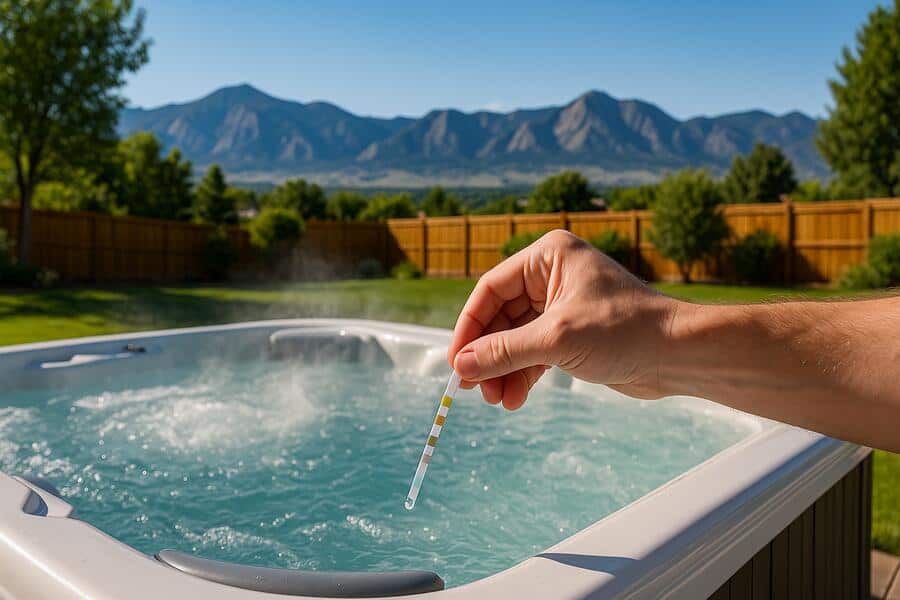
- Test the Water: Use reliable test strips or a liquid test kit to measure your water’s parameters:
- pH: Ideal range 7.4-7.6 (CDC recommends 7.0-7.8).
- Alkalinity: Ideal range 80-120 ppm.
- Calcium Hardness: Ideal range 150-250 ppm.
- Adjust Water Chemistry: Adjust alkalinity first, then pH, and finally calcium hardness. Allow chemicals to circulate and retest after each adjustment. Follow product instructions carefully.
- Sanitize the Water: Once balanced, shock the hot tub with your chosen sanitizer (chlorine or bromine) to establish a baseline level and kill any initial bacteria. For chlorine, aim for at least 3 ppm (CDC recommends 3-10 ppm for initial shock/management). For bromine, aim for 4 ppm (CDC recommends 4-8 ppm).
- Run Jets and Heater: Once balanced and sanitized, turn on the jets for a few minutes to circulate chemicals, then set the heater to your desired temperature. Monitor temperature and retest water over the next 24 hours.
Hot Tub Restart Checklist
| Step | Action Item | Why It’s Important |
|---|---|---|
| Placement & Inspection | Inspect for shipping damage (shell, plumbing, components). Ensure level surface, maintenance access. | Prevents leaks, structural issues, ensures long-term functionality. |
| Electrical Reconnection | Hire a licensed electrician for all wiring. Confirm GFCI protection. | Critical for safety, code compliance, prevents shock and equipment damage. |
| Water Refill | Fill hot tub through the filter housing slowly. Monitor for leaks. Fill to recommended line. | Prevents airlocks, ensures proper water flow, identifies issues early. |
| Water Balancing | Test pH (7.4-7.6), Alkalinity (80-120 ppm), Calcium Hardness (150-250 ppm). Adjust. | Protects equipment from corrosion/scaling, comfortable for bathers. |
| Sanitization | Shock with chlorine (~3 ppm) or bromine (~4 ppm) after balancing. | Kills bacteria, ensures sanitary bathing environment. |
💡 Key Takeaway: When “refilling hot tub,” always insert the garden hose into the filter housing to prevent airlocks. Once filled to the proper level and power is reconnected, meticulously balance the water chemistry (pH 7.4-7.6, alkalinity 80-120 ppm, calcium hardness 150-250 ppm), then sanitize with appropriate levels of chlorine or bromine to ensure a safe “hot tub restart” and protect its components.
Conclusion
A successful “hot tub startup after moving” is a meticulous process, but one that is absolutely essential for the longevity, safety, and enjoyment of your investment. From the initial inspection for hidden shipping damage to the critical electrical reconnection by a qualified electrician, and finally, the careful “refilling hot tub” procedure and precise water balancing, each step plays a vital role. Rushing any of these stages can lead to frustrating and expensive problems down the line. By taking the time to follow these guidelines, you ensure a safe and efficient “hot tub restart,” allowing you to fully relax and enjoy your hot tub in its new setting for years to come.
Have questions about how to hot tub startup after moving? Reach out to our team today.
Frequently Asked Questions About Restarting A Hot Tub After It’s Been Moved
What is the first step I should take for “hot tub startup after moving”?
The very first step for “hot tub startup after moving” is a thorough inspection. Carefully check the hot tub’s shell, cabinet, plumbing, and internal components for any signs of shipping damage like cracks, dents, or loose connections. Also, ensure the hot tub is positioned on a solid, level surface that can support its weight when full.
Can I reconnect the hot tub’s power myself during a “hot tub restart”?
No, you should absolutely not reconnect the hot tub’s power yourself. Electrical hookup for a hot tub is complex, requires dedicated circuits, and must comply with strict electrical codes, including GFCI protection for safety. Always hire a licensed electrician to perform the electrical reconnection to prevent dangerous shocks, ensure proper voltage, and comply with all safety regulations for a safe “hot tub restart.”
What is the correct way to begin “refilling hot tub” water to prevent issues?
The correct way to begin “refilling hot tub” water is to insert your garden hose directly into the filter compartment (where the filters sit). This method helps to prevent airlocks from forming in the plumbing system as the tub fills. Fill the tub to the manufacturer’s recommended level (between the minimum and maximum fill lines), and continuously monitor for any leaks around the equipment bay as it fills.
After “refilling hot tub,” what are the key water chemistry steps for a “hot tub restart”?
After “refilling hot tub,” the key water chemistry steps for a “hot tub restart” involve testing and balancing. Use test strips or a liquid kit to measure pH (aim for 7.4-7.6), alkalinity (80-120 ppm), and calcium hardness (150-250 ppm). Adjust alkalinity first, then pH, then calcium hardness. Finally, shock the water with your chosen sanitizer (e.g., chlorine to 3-10 ppm or bromine to 4-8 ppm) to establish a clean and safe bathing environment.

