
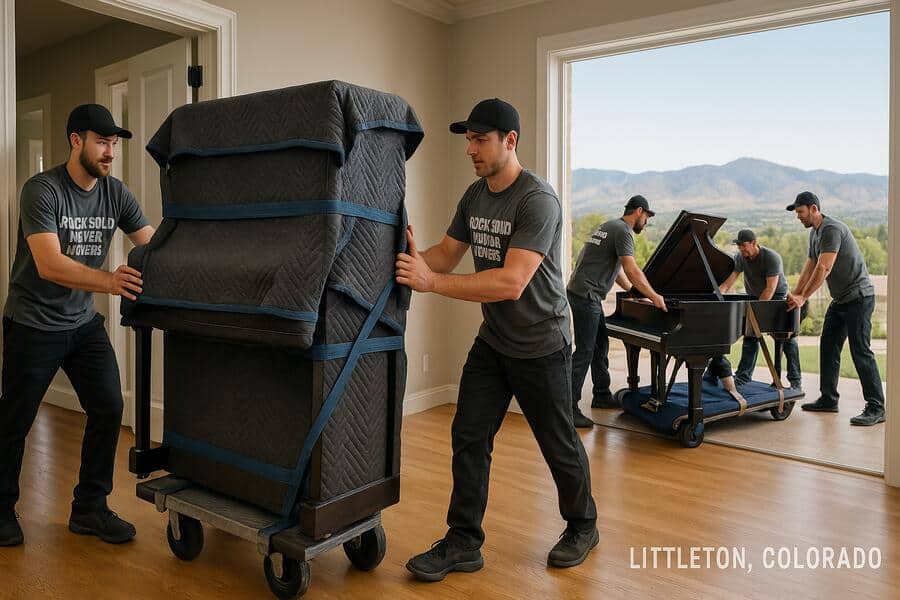
Moving a piano is never a simple task; these instruments are heavy, delicate, and often hold significant sentimental and monetary value. However, the approach to moving an upright piano is distinctly different from “moving a grand piano.” Understanding these differences is crucial for anyone contemplating relocating one of these magnificent musical instruments.
From the specialized equipment required to the meticulous disassembly and reassembly, the process for grand piano movers involves a higher degree of complexity and precision. This guide will outline the key distinctions in moving an upright versus a grand piano, detailing the unique procedures and challenges for each, helping you prepare for a professional piano moving service.
💡 Key Takeaway: Moving a grand piano requires specialized disassembly and equipment, differing significantly from the process for an upright piano due to its size, weight distribution, and delicate structure.
Moving an Upright Piano: A Different Approach
The Upright Piano Moving Process
Upright pianos, while still incredibly heavy (ranging from 300 to 800 pounds), are generally more straightforward to move than grand pianos due to their compact, vertical design. The key is proper equipment and technique:
- Preparation: The piano lid is usually secured, and the keyboard cover is locked or closed. Pedals are protected, and the entire instrument is wrapped in heavy-duty moving blankets.
- Specialized Dolly: An upright piano is typically moved using a sturdy, purpose-built piano dolly. This dolly is positioned perpendicular to the piano’s back, carefully slid underneath, and secured with heavy-duty ratchet straps. The goal is to lift the piano slightly off the ground, balancing its weight for easier rolling.
- Navigating Paths: Movers will carefully roll the piano, usually with 2-3 people, navigating doorways, hallways, and ramps. Stairs are still a significant challenge and require multiple experienced movers, stair-climbing dollies, or specialized equipment to ensure safe transport.
The “upright piano moving” process focuses on secure strapping and careful rolling, maintaining the piano’s vertical orientation.
Considerations for Upright Piano Moving
- Weight: Though less than a grand, uprights are still very heavy. This impacts crew size and equipment.
- Size: Their vertical form factor makes them easier to navigate through standard doorways and hallways than grand pianos, which often require disassembly.
- Stability: When properly secured to a dolly, uprights are relatively stable during horizontal transport.
- Floor Protection: Despite the dolly, floor runners and protection boards are still essential to prevent damage to floors and thresholds.
💡 Key Takeaway: Upright pianos are moved on specialized dollies in their vertical position, primarily focusing on secure strapping and careful maneuvering through standard access points.
Moving a Grand Piano: Precision and Disassembly
The Grand Piano Moving Process
Moving a grand piano (ranging from 500 to over 1,200 pounds) is a far more intricate operation that mandates partial disassembly and specialized techniques. Grand piano movers follow a precise, multi-step sequence:
- Initial Preparation and Disassembly:
- The music rack, lid, and lid hinges are carefully removed and wrapped separately.
- The pedal lyre (the pedal assembly underneath the piano) is detached and also wrapped.
- Crucially, the grand piano’s legs are removed one by one. This requires multiple movers to carefully support the piano’s body to prevent it from tipping prematurely. Each leg is labeled and wrapped individually.
- Tipping onto a Skid Board: Once the legs are removed, the piano is carefully tipped onto its side, resting on a specialized, padded grand piano skid board (also called a piano board). The straight bass edge of the piano’s rim rests on the board. This method is critical because it protects the delicate internal components and the cast iron plate from lateral stress.
- Securing and Transport: The piano body is then meticulously wrapped in multiple layers of moving blankets and secured firmly to the skid board with heavy-duty straps. The skid board, with the piano attached, is then placed on a heavy-duty piano dolly for rolling.
- Navigating and Loading: The flat, strapped piano on the skid board is then carefully moved through the premises, often requiring multiple movers to guide and balance it. It is then carefully loaded onto a moving truck, often secured against a side wall.
This process demands a larger crew, typically 3-4 highly experienced professionals, due to the weight, bulk, and complexity of the disassembly.
Why Grand Pianos Move on Their Side
The reason grand pianos are moved on their side on a skid board, rather than flat or on their legs, is multifaceted:
- Structural Integrity: The piano’s legs are designed to support vertical weight, not lateral stress during transport. Moving it on its side distributes the weight along the strongest part of its frame.
- Protection of Internal Components: The delicate soundboard, strings, and action mechanism can be easily damaged by jolts or improper weight distribution if moved incorrectly.
- Maneuverability: Removing the legs and placing the piano on its side significantly reduces its footprint, making it easier to navigate through doorways, tight hallways, and truck ramps.
- Safety: This method is the safest for both the piano and the movers, minimizing the risk of tipping, dropping, or structural damage.
💡 Key Takeaway: Grand pianos require careful disassembly (legs, lyre, lid) and must be moved on their side, secured to a specialized skid board, to protect their delicate structure and allow for safe maneuverability.
Upright vs. Grand Piano Moving Comparison
| Feature | Upright Piano | Grand Piano |
|---|---|---|
| Weight Range | 300 – 800 lbs | 500 – 1200+ lbs |
| Disassembly Required | Minimal (secure lid, pedals) | Extensive (legs, pedal lyre, lid, music rack) |
| Primary Moving Equipment | Heavy-duty piano dolly | Padded skid board, heavy-duty piano dolly |
| Orientation for Transport | Vertical (on dolly) | On its side (on skid board) |
| Crew Size (Approx.) | 2-3 experienced movers | 3-4 highly experienced movers |
Conclusion
The distinction between “upright vs grand piano moving” is significant, primarily driven by the instruments’ structural differences and weight distribution. While uprights are moved vertically on a dolly, “moving a grand piano” is a complex ballet of careful disassembly, tipping onto a specialized skid board, and meticulous securing. Attempting either without professional expertise and specialized equipment risks irreparable damage to the piano, injury to individuals, and potential damage to your home. When it comes to these cherished instruments, always trust experienced piano movers who understand the nuances of safe and effective transport.
Have questions about how upright vs grand piano moving? Reach out to our team today.
Frequently Asked Questions About Piano Moving
Why do grand pianos have their legs removed for moving?
Grand piano legs are decorative and designed to support vertical weight, not to withstand the lateral forces and stresses of moving. Removing them prevents them from breaking, splintering, or damaging the piano’s body during transport. It also significantly reduces the piano’s footprint, making it easier to maneuver through doorways and tight spaces.
Can I move a piano myself?
While technically possible for very small, light upright pianos with significant help, moving any piano, especially a grand, is highly discouraged as a DIY project. The risks of personal injury, property damage, and irreparable harm to the instrument are extremely high. Pianos are heavy, awkwardly shaped, and their internal mechanisms are very delicate. Professionals have the specialized equipment, training, and insurance to handle these moves safely.
Do I need to tune my piano after it’s moved?
Yes, it is almost always recommended to have your piano tuned after a move. Even a short move can subject the piano to changes in temperature, humidity, and vibrations, all of which can affect its tuning. It’s best to allow the piano a few weeks to acclimate to its new environment before scheduling a tuning with a qualified piano technician.
What is a piano skid board?
A piano skid board (or piano board) is a specially designed, heavy-duty, padded wooden board used for moving grand pianos. After the legs are removed, the grand piano is carefully tipped onto its straight side and strapped securely to this board. The skid board provides a stable, flat base for the piano during transport and allows it to be easily rolled on a dolly or slid into a truck.

